How to Improve Listing Clicks and Win More Showings
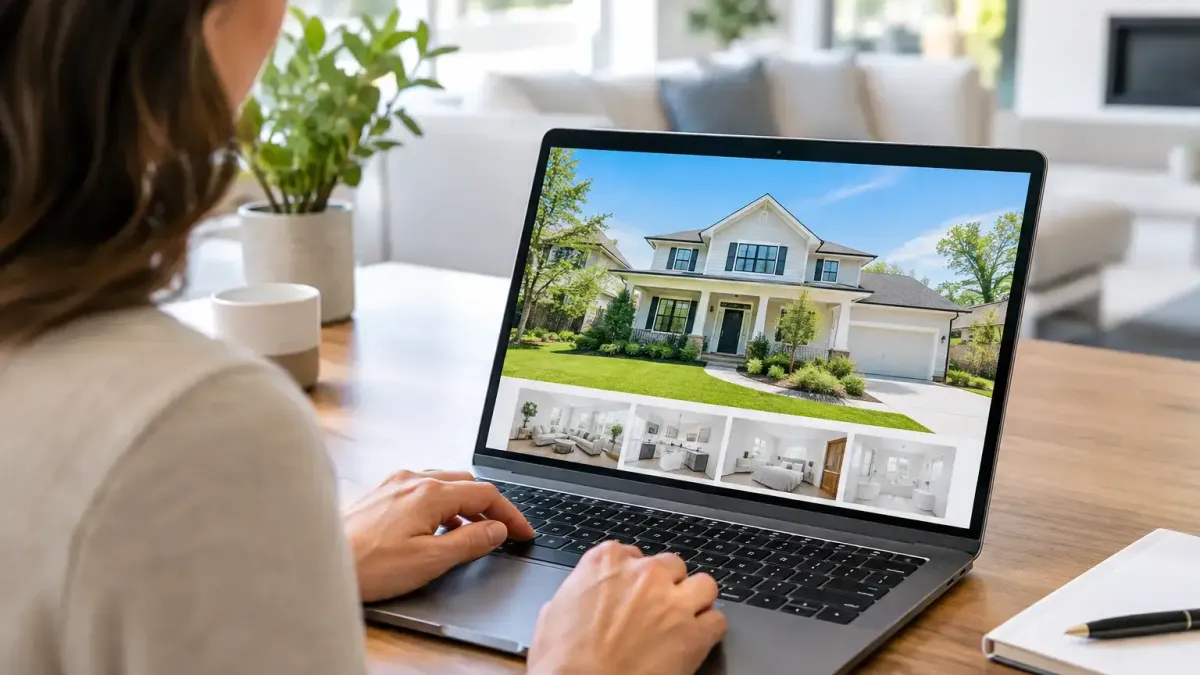
A buyer scrolling through the MLS is not studying every listing. They are making a fast decision: open it, save it, or keep moving. Knowing how to improve listing clicks starts with respecting that reality. Your first image has to earn attention in a crowded feed, then the rest of your visual assets need to give buyers enough confidence to take the next step.
In South Florida, that first impression is especially competitive. Buyers may be comparing waterfront condos, renovated homes, investment properties, and new construction within the same search session. A listing that looks dim, repetitive, poorly framed, or incomplete can lose momentum before its price, features, and location have a chance to work.
How to Improve Listing Clicks Starts With the First Photo
The MLS hero image is not simply the prettiest photo from the shoot. It is the image that gives a buyer the clearest reason to click.
For many homes, that is a bright exterior with strong curb appeal, clean landscaping, and a clear view of the entry. For a high-rise condo, the strongest image may be a wide living room with a water view, a dramatic balcony, or an updated kitchen that immediately signals value. The right choice depends on what makes the property different from the competing listings buyers will see beside it.
A hero image should answer a basic question in less than a second: why should I look at this one? It needs clean composition, accurate color, balanced window views, and enough visual depth to feel real rather than overprocessed. An overly dark exterior, vertical lines that lean, or blown-out windows can make a property feel less cared for than it is.
Do not choose the cover photo based only on personal preference. Choose it based on buyer behavior. If the home’s best selling point is the outdoor lifestyle, lead with it. If the interior renovation is what justifies the price, make that visible immediately. The first image should sell the strongest story, not follow a rigid rule.
Build a Visual Sequence That Keeps Buyers Engaged
A click is only the first win. Once buyers open the listing, the photo order determines whether they keep looking, save the property, share it, or request a showing.
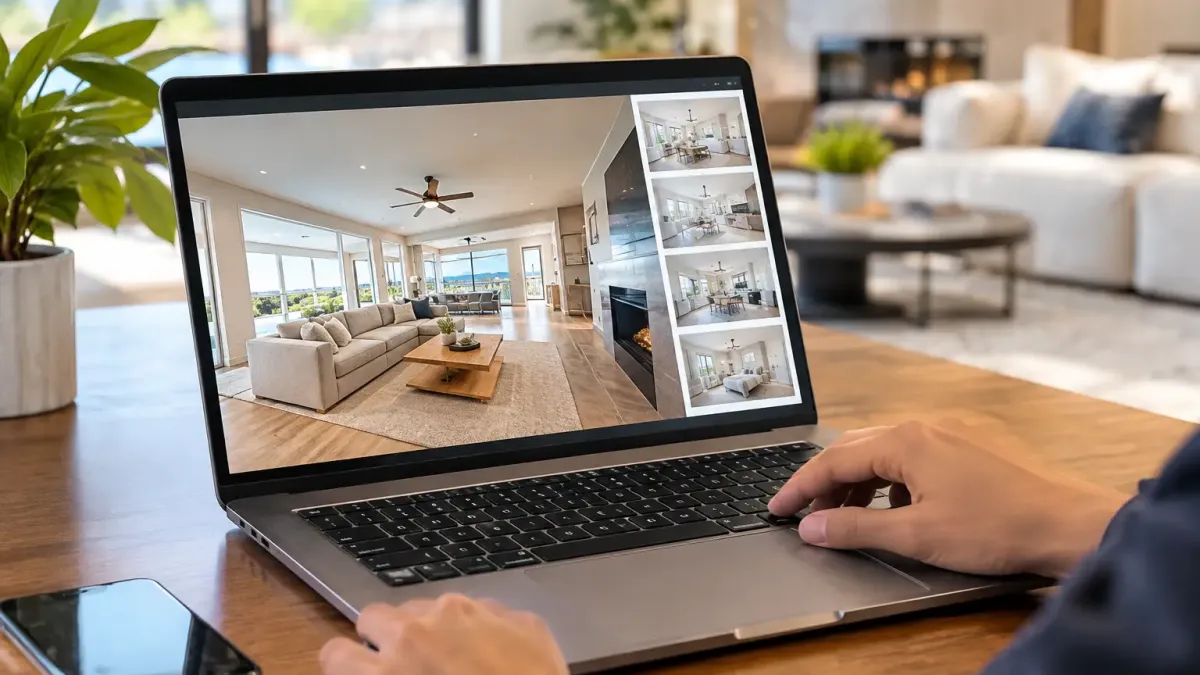
Think of the images as a guided walkthrough. Start with the strongest visual reason to care, then move through the key rooms in an order that makes sense. A typical sequence might move from exterior or main living space to kitchen, dining, primary suite, baths, secondary rooms, outdoor areas, amenities, and aerial context where relevant.
The goal is not to photograph every angle of every room. Repetitive images create friction. Buyers want enough coverage to understand the home, but they do not need six nearly identical photos of a living room or hallway. Each image should add information: layout, scale, finishes, light, view, or lifestyle.
This is where professional photography becomes a sales tool rather than a checklist item. Good listing images make spaces feel connected. They show how a kitchen opens to a family room, how a bedroom relates to a balcony, or how an outdoor area supports entertaining. That visual logic reduces uncertainty before the showing.
Show Real Scale, Not Just Attractive Corners
Wide-angle photography is useful, but it has to be used with restraint. Buyers may click on an image that makes a room look enormous, but disappointment at the showing does not help the listing. Accurate, well-composed photography should make rooms feel open while preserving believable proportions.
The same principle applies to editing. Bright, crisp images perform better than dark snapshots, but excessive HDR, artificial skies, or colors that do not match the property can weaken trust. The job is to show the home at its best, not turn it into a different home.
Prepare the Property for the Camera
Many click-through problems begin before the photographer arrives. A strong visual strategy cannot fully overcome cluttered counters, mismatched lighting, personal items, or furniture that blocks the room’s flow.
Preparation should focus on what buyers notice in photos: clear surfaces, open pathways, clean windows, working light fixtures, and rooms that have an obvious purpose. Remove pet items, visible cords, overflowing shelves, refrigerator magnets, and bathroom products. Small distractions become much more noticeable in a gallery of professional images.
For vacant listings, virtual staging can help buyers understand the scale and purpose of a room. It is particularly useful for empty living areas, dining spaces, and bedrooms that might otherwise feel smaller or harder to interpret. The trade-off is transparency and consistency. Virtual staging should look credible, match the room’s proportions, and be clearly identified where required by MLS rules.
Occupied homes may not need full staging. Often, a targeted reset is enough: rearrange furniture to improve sightlines, simplify accessories, and make sure the best feature in the room is visible. A prepared property photographs faster and produces assets that are easier to market across every channel.
Use Video, Floor Plans, and Tours to Add Confidence
Photos drive the initial click, but supporting media can turn casual interest into a more qualified inquiry. Buyers who understand the layout, flow, and setting of a property are better equipped to decide whether a showing is worth scheduling.
A cinematic walkthrough video is especially effective when lifestyle is part of the sale. It can show the arrival experience, indoor-outdoor connection, views, building amenities, and details that still photography cannot fully communicate. Keep it purposeful. Fast, flashy edits may work for social attention, but the video still needs to help a buyer understand the property.
Floor plans solve a different problem. They give buyers practical orientation: room relationships, approximate dimensions, and usable space. For condos, townhomes, and larger homes with multiple living zones, a 2D or 3D floor plan can prevent confusion that photographs alone cannot solve.
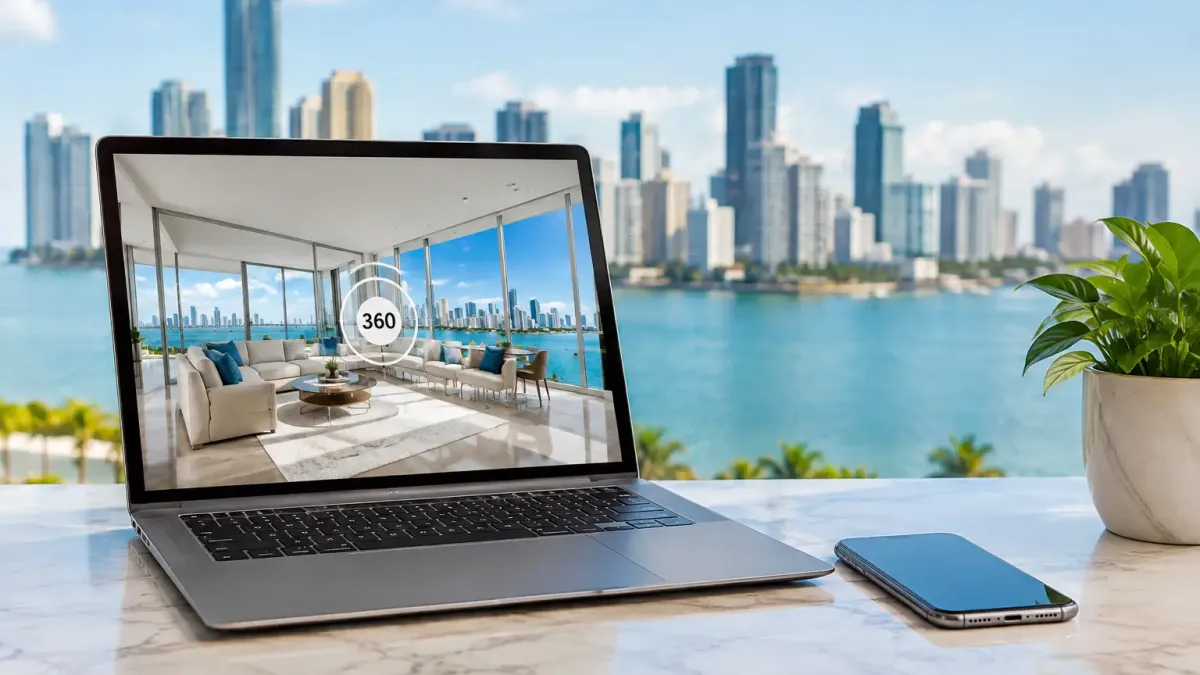
A 360-degree virtual tour can function as a 24/7 open house. It allows out-of-area buyers, busy professionals, and relocating clients to explore on their own schedule. It also helps reduce unnecessary showings by giving serious prospects a more complete view before they visit.
Not every listing needs every asset. A compact, entry-level property may benefit most from excellent photography, a floor plan, and a focused social campaign. A luxury waterfront home or a property with significant acreage may justify aerial drone photography, video, virtual tours, and a dedicated single-property website. The media plan should match the property, target buyer, and marketing strategy.
Make the Listing Easy to Understand at a Glance
Visuals and listing copy need to support each other. If your lead photo highlights a remodeled kitchen, the opening remarks should quickly reinforce the renovation, location, and lifestyle value. If drone imagery shows proximity to the water, golf course, or a major amenity, mention that convenience clearly and accurately.
Avoid hiding the strongest facts deep in the description. Buyers scan. Give them a reason to stay with direct details: renovated in a stated year, corner unit, oversized lot, private pool, unobstructed view, walkable location, or flexible floor plan. Specifics create interest because they help buyers compare.
Also review the technical basics before publishing. Confirm that the cover photo displays correctly on major portals, captions are accurate if used, photo orientation is consistent, and image order makes sense on both desktop and mobile. A listing can have great media and still underperform if the presentation is rushed at launch.
Treat Launch Day as a Marketing Moment
The first days of a listing’s life matter because the property is new to active buyers and their agents. Have the complete visual package ready before the listing goes live whenever possible. Publishing two photos now and adding the video, drone images, and floor plan later creates a fragmented first impression.
A coordinated launch gives you more to work with across MLS, email, social posts, agent outreach, and a single-property website. Instead of repeatedly posting the same exterior photo, you can tell different parts of the property’s story: the view, the kitchen, the primary suite, the outdoor space, the floor plan, and the neighborhood context.
For agents handling multiple listings, consistency matters. A recognizable standard of high-quality photography, clear floor plans, and professionally produced video helps build trust with sellers as well as buyers. It shows that your marketing process is organized before you ever sit down at the listing presentation.
Digitall Media approaches each shoot from both sides of the transaction: what looks compelling on screen and what gives a buyer enough information to move toward a showing. That distinction matters because attention is valuable, but qualified attention is what moves a listing forward.
Before your next listing goes live, open the MLS search as a buyer would. Compare the first image, photo sequence, and supporting media against nearby competition. The gap between a listing that gets ignored and one that earns a click is often visible long before the first showing is scheduled.
Shooting a listing in South Florida?
Flat prices by square footage, drone aerials included, photos back in 24–48 hours.