Are Virtual Tours Worth It for Miami Listings?
A buyer scrolling a crowded Miami condo search can dismiss a listing in seconds. Strong photos earn the click, but a well-built virtual tour gives that buyer a reason to stay, explore, and picture how the home actually lives. So, are virtual tours worth it? For the right listing and marketing plan, they can be one of the most practical ways to turn online attention into better-informed showing requests.
The key is not treating a virtual tour as a novelty. It is a sales tool. When it is captured well and used alongside professional photography, video, floor plans, and clear listing details, it helps buyers answer the questions that static images cannot.
Are Virtual Tours Worth It? The Short Answer
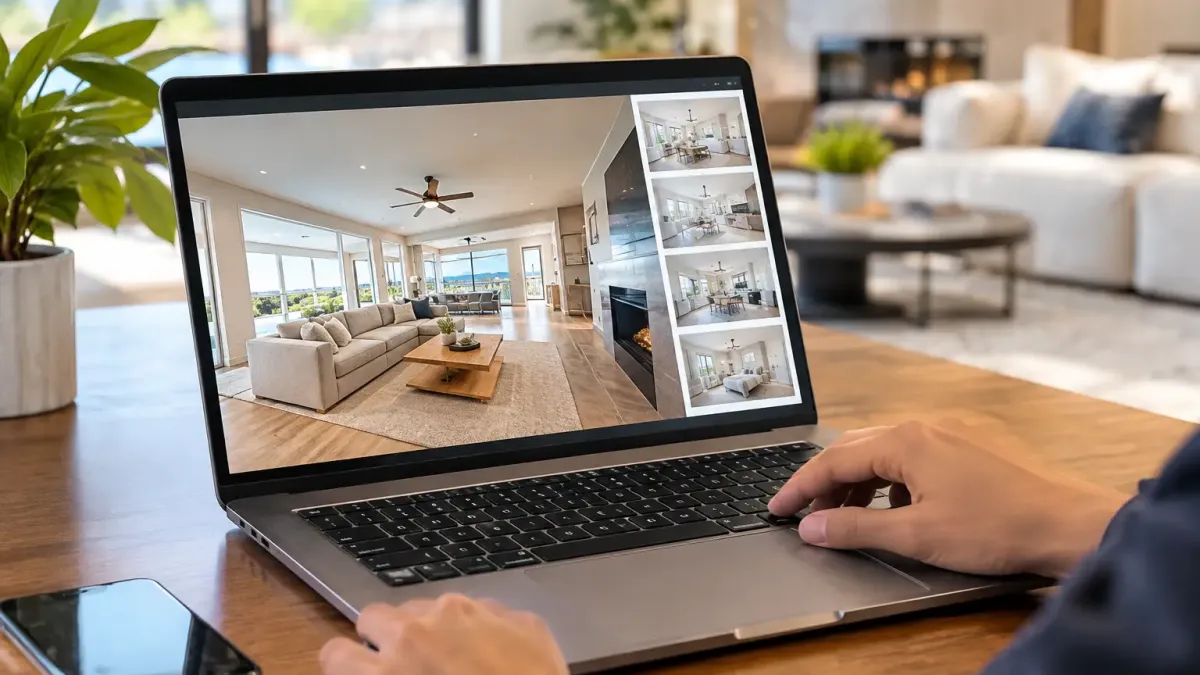
Yes, virtual tours are worth it when they make the buying decision easier. They let prospects move through a property at their own pace, revisit rooms, understand transitions between spaces, and get a more honest sense of scale before requesting a private showing.
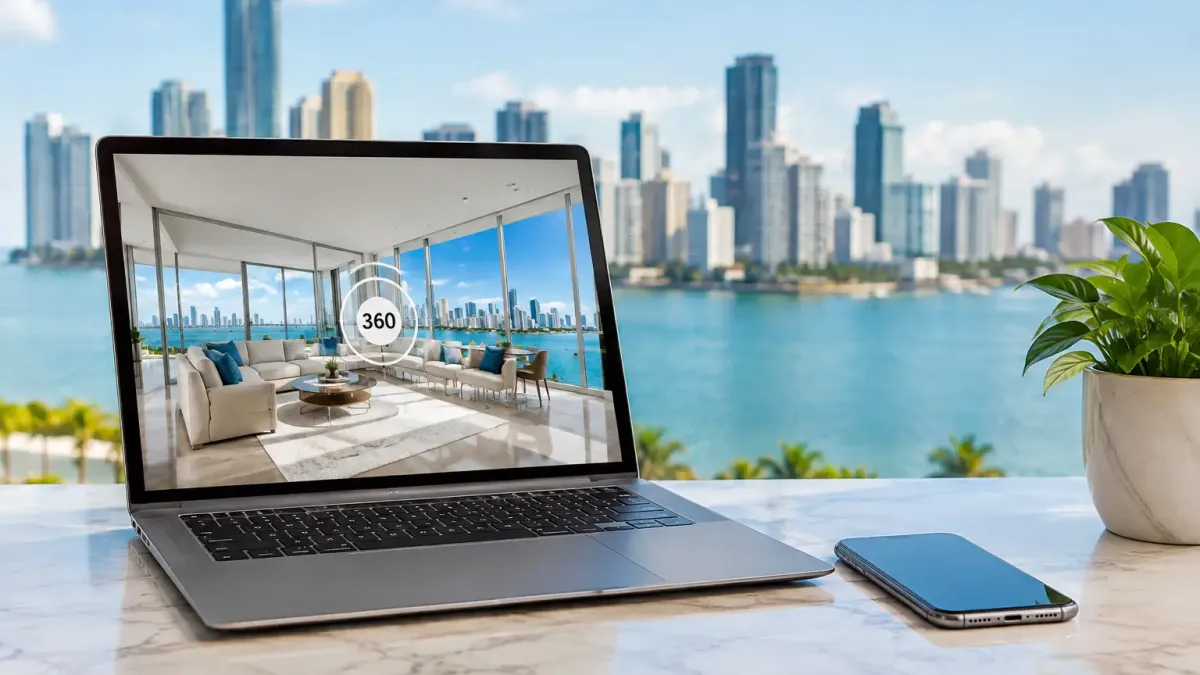
That matters in South Florida, where buyers often begin their search from another city, another state, or another country. A waterfront condo buyer in New York or a relocating family in Chicago cannot casually stop by after work. A 360° tour gives them a meaningful first look at the property at any hour, on any device.
For agents, the benefit is not simply more traffic. It is better traffic. Buyers who have already explored the layout are more likely to arrive at a showing with clearer expectations and more relevant questions. That can reduce the time spent opening doors for prospects who discover basic deal-breakers only after they walk inside.
A virtual tour cannot replace an in-person visit for a serious buyer. It is not supposed to. Its job is to qualify interest, build confidence, and keep the listing working when the agent is not there.
What a Virtual Tour Shows That Photos Cannot
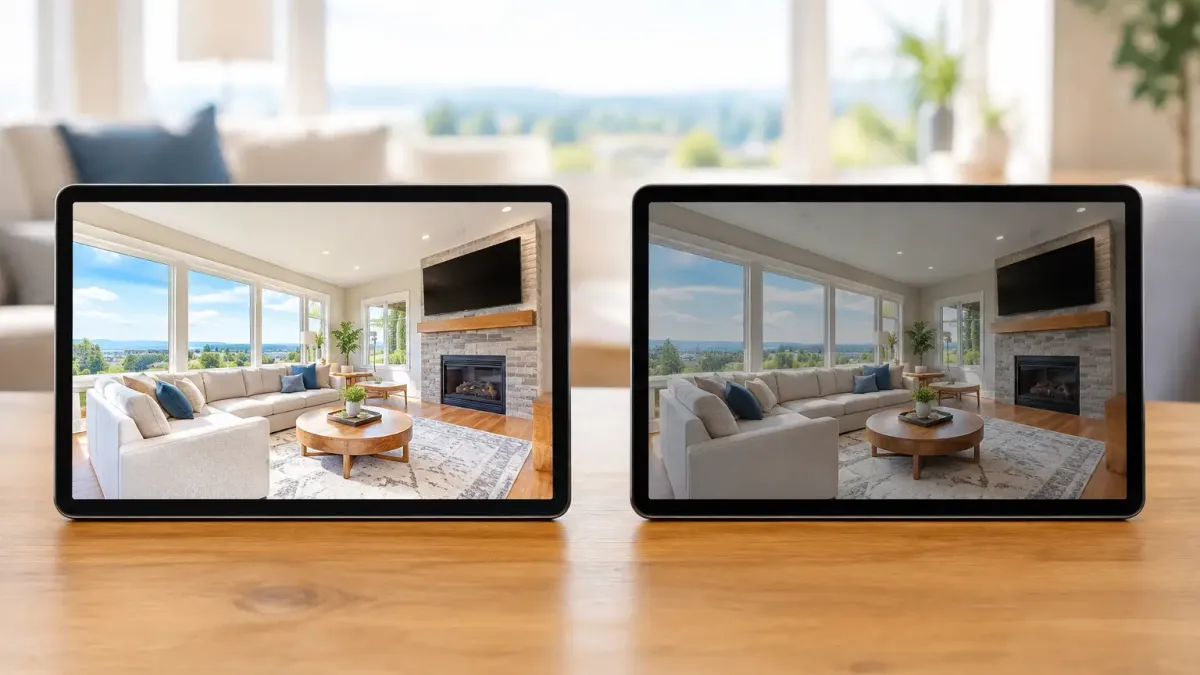
Professional listing photography remains the foundation of real estate marketing. Photos control the first impression, highlight the strongest features, and perform well across the MLS, social media, email, and listing websites. But even a strong photo set is selective by nature. It shows the best angle of a room, not necessarily how that room connects to the rest of the home.
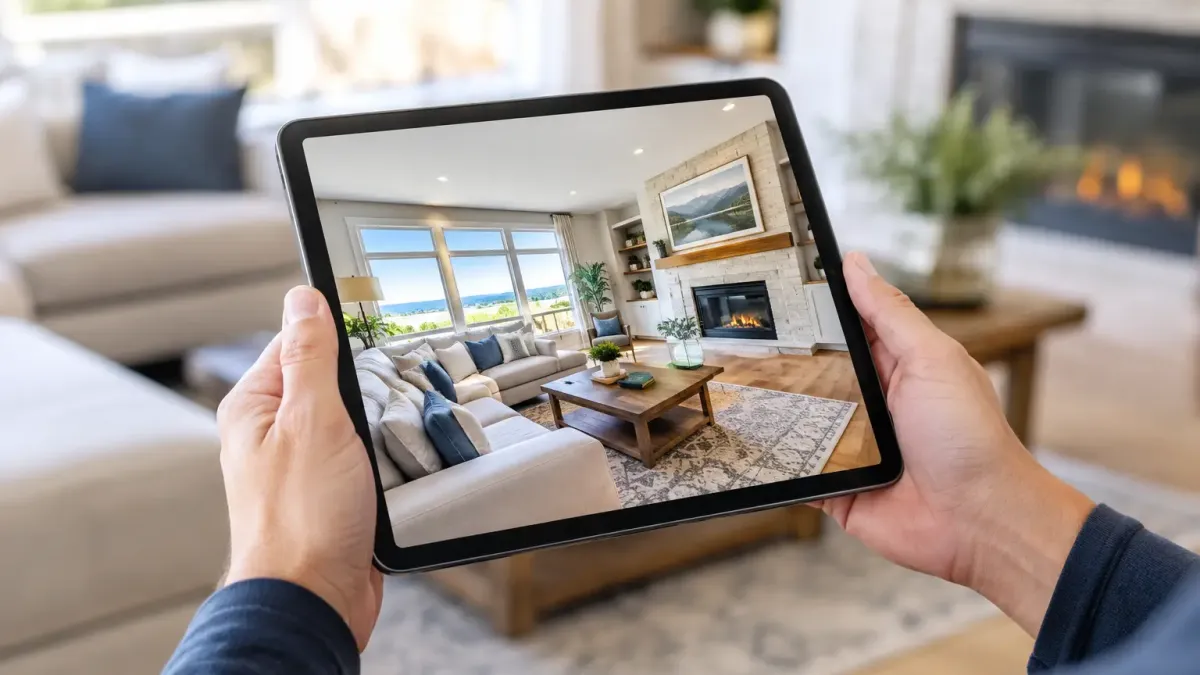
A virtual tour fills that gap. Buyers can see whether the kitchen opens directly to the living area, how far the primary bedroom sits from the guest rooms, whether a balcony is accessed from the living room or bedroom, and how a unit flows from the entry to the view. Those details influence whether a home feels functional for a buyer's daily routine.
This is especially useful in properties with layouts that are hard to explain in photographs: multi-level townhomes, larger homes with separate wings, condos with long corridors, properties with several outdoor areas, and renovated spaces where the before-and-after impression needs context.
A good tour also builds credibility. Buyers are accustomed to polished imagery, and they should be. Yet they also want enough transparency to feel that the listing is presenting the full property rather than hiding behind a handful of flattering angles. A complete, easy-to-navigate tour signals that the agent is comfortable letting the home speak for itself.
Where Virtual Tours Deliver the Most Value
Not every property needs every media service. The right decision depends on the home, likely buyer, price point, location, and how aggressively the listing will be marketed. Still, virtual tours tend to earn their place when the property has a story that needs more than still images.
Luxury homes and higher-value condos are obvious candidates because buyers expect a premium presentation and may be shopping remotely. The same is true for furnished vacation properties, waterfront listings, new construction, and homes with significant architectural detail. In these cases, the tour supports the perceived level of the listing while making the viewing experience more useful.
Virtual tours can also be effective for practical reasons in mid-market listings. A home with an unusual floor plan, multiple additions, a converted garage, or a compact layout may benefit from giving buyers a clearer view before scheduling. When there is less ambiguity online, agents can spend more time with prospects who are genuinely interested.
For vacant properties, a tour becomes even more valuable when paired with virtual staging. Empty rooms can look smaller or harder to understand online. Showing the space in an immersive format, with thoughtful virtual furniture where appropriate, helps buyers see the possibilities rather than just bare walls and open floor area.
The Trade-Off: A Tour Must Be Easy to Use
A virtual tour is not automatically effective because it exists. Poor lighting, rushed capture, confusing navigation, or a tour that takes too long to load can create friction instead of confidence. The goal is not to give buyers every possible view of every closet door. The goal is to give them a natural, accurate path through the property.
That is why capture strategy matters. A tour should begin with a logical entry point, guide visitors through the main living spaces, clearly show key bedrooms and bathrooms, and include the outdoor areas that influence the purchase decision. In Miami Beach and across South Florida, that may mean giving proper attention to water views, terraces, pools, docks, cabanas, rooftop areas, or amenity spaces when they are relevant to the listing.
Agents should also avoid using a tour as an excuse to skip the rest of the visual package. A 360° experience is powerful, but it does not replace carefully composed HDR photography or a cinematic walkthrough video. Each format does a different job. Photos stop the scroll. Video creates emotion and lifestyle context. Floor plans clarify dimensions and layout. Virtual tours let buyers investigate.
The strongest listing presentations use these assets together, not as substitutes.
How Tours Help Agents Win the Listing
Sellers do not always understand the difference between phone photos and a complete professional media strategy. They do understand effort, visibility, and confidence. Presenting a virtual tour as part of a clear plan shows that the agent is marketing the home beyond the minimum MLS requirement.
This can be particularly effective when competing for listings in visually saturated neighborhoods. Sellers see hundreds of polished properties online. They want to know how their home will earn attention and how buyers will be able to experience it before a showing. A 24/7 virtual open house is an easy concept to explain because the benefit is immediate.
The more important conversation, however, is about buyer experience. Instead of promising unrealistic outcomes, explain what the asset does: it helps remote buyers explore the property, helps local buyers pre-qualify their interest, and gives every prospect more information before they contact the agent. That is a credible, business-focused reason to invest in better media.
When a Virtual Tour May Not Be the Priority
There are cases where other assets should come first. If the listing budget is limited, professional photography is usually the non-negotiable starting point. If the property is primarily lifestyle-driven, such as a home with dramatic views, a cinematic video may carry more emotional weight. If the greatest buyer question is room size and furniture placement, a 2D or 3D floor plan may provide the fastest answer.
A tour also has less impact when the property is poorly prepared. Clutter, unfinished repairs, inconsistent lighting, and personal items become more visible when buyers can move through the home themselves. Preparation still matters. The tour amplifies what is there, for better or worse.
This is where an experienced media partner adds value. The decision should not be based on checking every service box. It should be based on what will make this specific property easier to understand, more compelling to explore, and stronger against nearby competition.
Make the Tour Part of the Marketing System
Once a virtual tour is live, use it. Feature it on the single-property website, include it in agent-to-agent outreach, share it with relocating buyers, and use it in social posts that invite prospects to walk through the home. The more accessible the experience is, the more value it can deliver.
For the best result, plan the tour at the same time as photography, drone capture, floor plans, and video. This creates a consistent visual story and avoids treating the tour as an afterthought. Digitall Media approaches that planning from both sides of the transaction: what photographs well, and what buyers need to see before they are ready to take the next step.
A virtual tour is worth it when it gives buyers clarity and gives agents a sharper way to market the property. Make it purposeful, make it polished, and let the listing keep showing itself long after the open house is over.
Shooting a listing in South Florida?
Flat prices by square footage, drone aerials included, photos back in 24–48 hours.