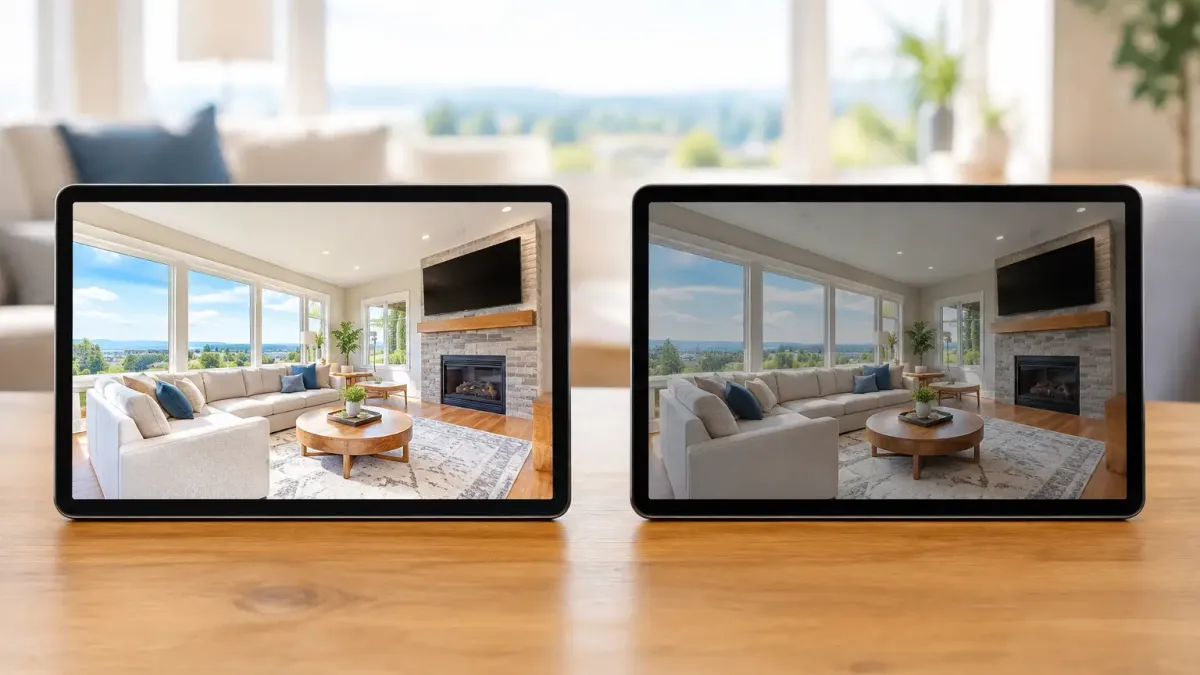
AI Real Estate Visuals That Earn More Showings
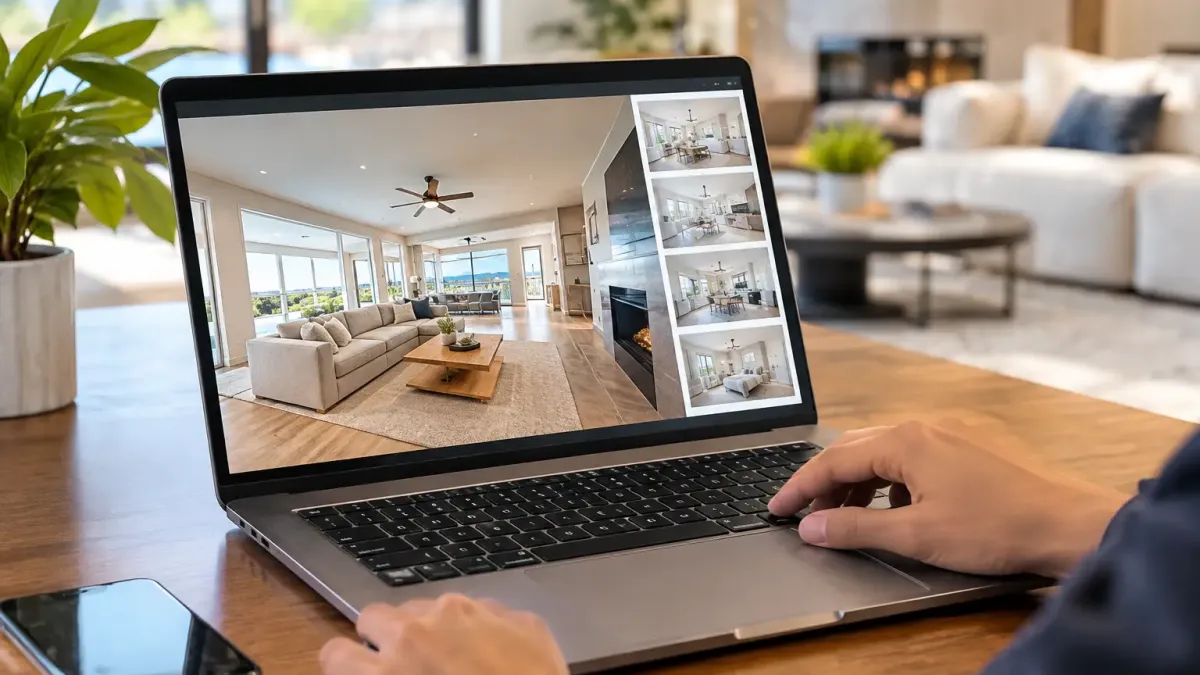
A vacant condo with plain white walls rarely stops a buyer scrolling through Miami listings. A well-executed visual can show where the sectional goes, how a dining area functions, and why the view deserves attention. That is where AI real estate visuals can add real marketing value - not by inventing a different property, but by helping buyers see the potential of the one you are listing.
For agents, the question is not whether artificial intelligence is changing real estate marketing. It already is. The better question is where it supports the sale and where it creates risk. Buyers still expect an honest representation of condition, layout, light, finishes, and views. The most effective AI-enhanced assets make a listing easier to understand before a buyer books a showing.
Where AI Real Estate Visuals Help a Listing
AI is most useful when it removes a visualization barrier. Empty rooms, dated furnishings, construction-in-progress spaces, and awkward layouts can make it hard for buyers to connect with a home online. Professional photography documents the property as it exists. AI can help demonstrate how a space may be used.
Virtual staging is the clearest example. A vacant living room may feel smaller than it is because buyers have no reference point for scale. Adding appropriately sized furniture gives the room context. A staged office can help a buyer recognize a flex room's value. A dining setup can make an open-plan area read as intentional rather than undefined.
This matters because listing photos have a short window to do their job. Before a buyer reads the remarks or requests a tour, they are deciding whether the property belongs on their shortlist. If the visual presentation creates clarity, agents can attract better-informed interest and reduce the number of showings driven only by curiosity.
AI can also support selected enhancement work, such as presenting a cleaner exterior scene, replacing a dull sky, or reducing minor visual distractions. The standard should be simple: the image should remain faithful to what a buyer will encounter at the property. A better-looking photo is useful. A misleading one is expensive in lost trust.
The Difference Between Visualization and Misrepresentation
Not every AI-generated image belongs in a listing. This is especially true in South Florida, where buyers often make decisions based on details that cannot be improvised: water views, balcony depth, natural light, ceiling height, parking, finishes, and the relationship between indoor and outdoor space.
Virtual staging should not conceal damage, change flooring, remove permanent features, or alter the proportions of a room. It should not suggest a renovation that does not exist. If a room is virtually staged, buyers should be able to recognize it as a visualization rather than assume the furniture or decor is included.
The same judgment applies to renovation concepts. A future-state kitchen rendering may be useful in a renovation marketing strategy, but it should be clearly presented as a concept. It is not a substitute for photography of the current kitchen. Agents who keep that line clear protect their credibility and give buyers the information they need to move forward with confidence.
There is also a practical MLS consideration. Rules and disclosure expectations vary by market and platform. Before uploading an AI-altered image, confirm what is permitted and label visualizations where appropriate. The goal is not to overwhelm buyers with disclaimers. It is to market the property professionally without creating confusion at the showing.
Start With the Real Property, Not the Prompt
The strongest AI real estate visuals begin with strong original capture. AI cannot fix weak composition, poor exposure, cluttered preparation, or missing coverage of the rooms buyers need to see. If the base photos are inaccurate or rushed, the enhancement will only make the weakness more visible.
That is why the production strategy matters. A photographer who understands listing flow captures the exterior, entry, main living spaces, kitchen, primary suite, bathrooms, amenities, and the details that justify the property's position in the market. In a waterfront condo, the view may carry the listing. In a family home, the kitchen-to-living-area relationship may matter more. In a luxury property, architectural lines, material quality, and outdoor lifestyle often need as much attention as square footage.
AI should be applied after those priorities are documented. It is an addition to a complete visual marketing plan, not a replacement for one. Professional HDR photography establishes the property’s reality. Aerial drone photography and video can provide location context. A 360-degree tour lets remote buyers explore the actual layout. Floor plans answer questions that photographs cannot. Together, these assets give buyers a fuller picture before they contact the agent.
Virtual Staging Works Best When It Solves a Specific Problem
There is no reason to stage every room digitally. A furnished home with clean, current decor may need only professional photography. Over-staging can make a listing feel generic, especially if the furniture style has no connection to the home's architecture or buyer profile.
Use virtual staging where it answers a question the empty room leaves open. Can this den work as an office? Is there enough room for a dining table? How might a second bedroom function for a child, guest, or remote worker? Those are useful applications because they make the existing space more understandable.
Style also matters. A sleek high-rise unit in Brickell calls for a different look than a waterfront home in Fort Lauderdale or a family property in Palm Beach County. Furniture scale, color palette, and design direction should support the architecture, not distract from it. The staging should feel believable at a glance and remain secondary to the room itself.
For that reason, a human review is essential. An experienced real estate media team checks for common mistakes: furniture blocking a door, a bed that does not fit the wall, inconsistent shadows, duplicated decor, or a layout that does not match the actual room. These details may seem small, but buyers notice when an image feels artificial.
Do Not Let AI Replace Listing Preparation
AI can remove a temporary distraction from an image, but it cannot make an unprepared property show well in person. If the home is cluttered, poorly maintained, or difficult to access, the listing experience breaks down the moment a buyer arrives.
The best workflow is still straightforward. Prepare the property, photograph it accurately, identify rooms that need help communicating their purpose, and use virtual staging or approved enhancements selectively. Then distribute the finished assets across the MLS, property website, social media, email campaigns, and broker outreach.
This approach also gives agents better content to use throughout the listing period. A professionally produced walkthrough video can communicate flow and lifestyle. A floor plan can help buyers compare options before scheduling a visit. A virtual tour can keep the listing working after hours for relocation clients and busy local buyers. AI-enhanced images are one useful piece of that system, not the entire system.
What Buyers Actually Respond To
Buyers do not respond to technology for its own sake. They respond to clarity, confidence, and a property that feels worth seeing in person. If AI helps a buyer understand the scale of a room or envision how they would live there, it has done its job.
If it makes the property look unlike the property, it may create clicks but weaken the showing experience. That trade-off is never worth it. Real estate marketing should create the right expectations, not just the highest possible reaction online.
For agents, this is the commercial value of using AI carefully. Better visuals can help a listing compete for attention while keeping the presentation grounded in reality. They also show sellers that you have a plan for marketing difficult spaces, vacant homes, and properties with unrealized potential.
Digitall Media approaches AI enhancements the same way it approaches every listing asset: start with what will help a buyer make a better decision. Show the possibilities, but make sure the real property is always the reason they want to see it.
Shooting a listing in South Florida?
Flat prices by square footage, drone aerials included, photos back in 24–48 hours.