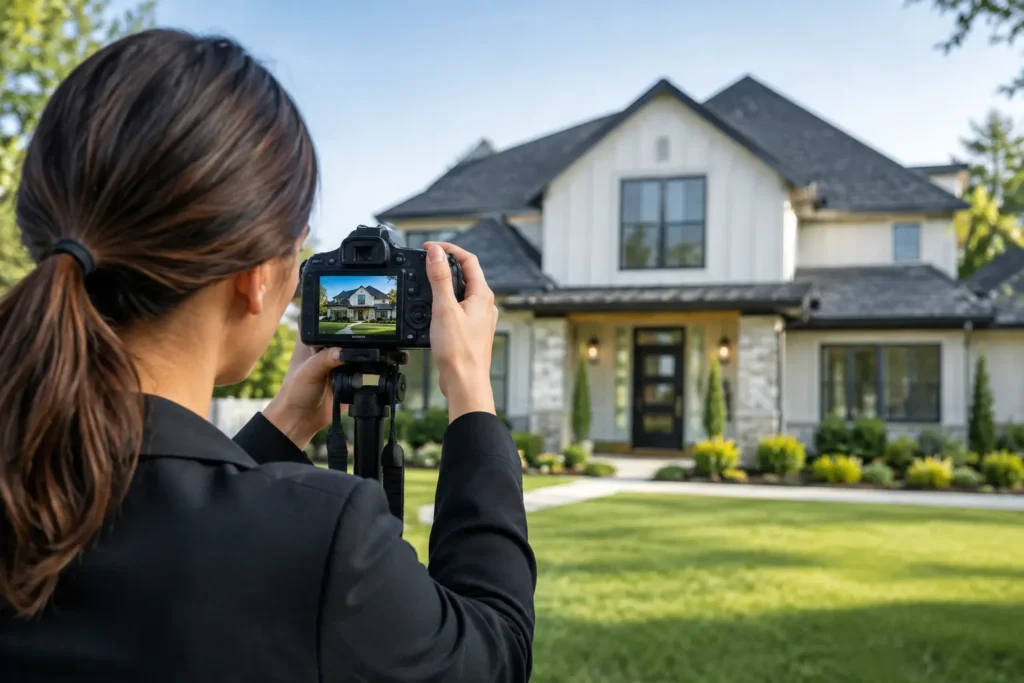
A photo can make a South Florida listing feel like a must-see or raise questions before a buyer ever schedules a tour. MLS photo rules are not just administrative details. They protect listing accuracy, reduce avoidable compliance problems, and help every image do its real job: give buyers a clear, compelling reason to take the next step.
For agents competing in Miami-Dade, Broward, and Palm Beach, polished photography matters. So does knowing where the line is between effective marketing and an image that could be rejected, flagged, or create the wrong expectation at the showing.
Why MLS Photo Rules Matter to Listing Performance
Your MLS is a data-sharing system first and a marketing channel second. Its photo policies are designed to keep listings consistent, accurate, and fair for participating brokerages and consumers. That means the images in the MLS generally need to represent the actual property for sale, not advertise the agent, a lender, a contractor, or an unrelated lifestyle brand.
The practical result is simple: the MLS should show the home clearly. Your website, social media, email campaigns, and brochures can carry a broader marketing message, but they still need to be truthful and professionally presented.
Rules vary by MLS, and local policy always controls. Before a listing goes live, review the current photo and virtual media rules for your specific MLS. A guideline that is accepted in one market may not be allowed in another.
The Core MLS Photo Rules Agents Need to Know
Keep agent branding out of MLS images
Most MLS systems restrict or prohibit visible branding in listing photos. That can include agent headshots, brokerage logos, phone numbers, website addresses, social handles, marketing slogans, QR codes, and watermarks.
A subtle watermark may feel like a reasonable way to protect a photographer’s work, but it can still violate MLS policy. The MLS is meant to support cooperative marketing, so media that functions as a direct advertisement often belongs outside the listing photo feed.
This does not mean your brand disappears from the marketing plan. Use branded versions of approved images for social posts, listing presentations, print pieces, and your own property landing pages when appropriate. Just maintain a clean, compliant MLS set.
Show the property, not people or promotions
Photos should focus on the home, its amenities, and the features that come with the sale. People in photos can create privacy concerns, distract from the property, or conflict with local MLS standards. The same applies to visible license plates, personal documents, family portraits, and promotional signs.
Before the shoot, ask sellers to remove or secure personal items that could expose sensitive information. During editing, a photographer may be able to blur a license plate or remove a minor distraction. But editing should never turn into a way to hide a material issue with the property.
If the community entrance, clubhouse, marina, or beach access is included in the sale or available to residents, those photos can help buyers understand the lifestyle. If an amenity is not part of the property offering, presenting it as though it is can be misleading.
Use current photos that accurately represent the home
Accuracy is the standard that should guide every capture and every edit. A listing photo should show the property’s present condition, not a past version before major wear, storm damage, renovations, or landscaping changes.
Seasonal images can be useful in certain cases, especially for waterfront views or community amenities, but they need to reflect a genuine feature of the property. An old photo of a view that is now blocked by new construction is not marketing. It is a problem waiting for a disappointed showing.
This is especially relevant in South Florida, where exterior condition, pool areas, docks, water views, roofs, and landscaping strongly influence buyer interest. A fresh shoot after preparation gives buyers a more reliable first impression and gives your listing a stronger chance to convert online attention into qualified tours.
Do not edit away permanent defects
Professional editing is expected. Correcting exposure, improving color balance, straightening vertical lines, and replacing a washed-out sky are common enhancements when they preserve the honest character of the scene.
The line is crossed when editing conceals a material condition or adds a feature that does not exist. Removing power lines that are visible from the yard, erasing a neighboring building, changing the water view, or making a small pool appear substantially larger can misrepresent the property.
The same judgment applies to lawn color, exterior finishes, and renovation claims. A brighter image is useful. A different property is not.
Label virtual staging and virtual renovation clearly
Virtual staging can be a smart answer to an empty condo, an awkward room, or a seller who has already moved out. It helps buyers understand scale and possibility without the cost and timing of physical staging.
But virtual furniture, decor, and renovations must be disclosed according to MLS policy. If a room is digitally staged, say so. If an image illustrates a possible kitchen update, make the disclosure unmistakable and do not let it replace photos of the existing kitchen.
A strong approach is to include accurate, unstaged photos of the room along with clearly identified virtually staged versions. Buyers get both the facts and the vision. That reduces confusion while still helping the home compete.
Photo Order Is a Marketing Decision
MLS photo rules may govern what you can upload, but photo order determines how buyers experience the listing. The first image should usually be the strongest truthful representation of the home. For many properties, that is the front exterior. For a high-rise residence with an exceptional water view, it may be the view or a standout living space instead.
Choose the lead image based on what will make the right buyer stop scrolling, not on a rigid formula. Then use the next photos to answer the buyer’s immediate questions: What does the main living area feel like? Is the kitchen current? How do the bedrooms and baths present? What makes the outdoor space worth seeing in person?
Avoid uploading near-duplicate angles simply to fill the gallery. A focused collection of well-composed images is more useful than a long sequence that makes buyers work to understand the layout. Floor plans and 3D tours can add context, but they should support great photography rather than compensate for weak photography.
Drone Photos Require Good Judgment
Aerial media can sell location faster than almost any other format. It can show a corner lot, proximity to the Intracoastal, private dock access, golf frontage, acreage, or the relationship between a home and its surrounding neighborhood.
Still, drone images need to be accurate and legally captured. Use a properly credentialed drone operator, follow airspace requirements, and avoid angles that imply a view, lot size, or privacy level the buyer will not experience from the property. Be thoughtful about neighboring homes and private areas as well.
Aerial images are most effective when they answer a location question that ground-level photography cannot. For an urban condo, an aerial shot may establish proximity to the beach, downtown, or a marina. For a suburban home, it may reveal the pool, oversized yard, or nearby green space. If it adds no useful context, it is just another image.
A Pre-Upload Review That Prevents Problems
Before publishing, review the full photo set on a larger screen, not only on a phone. Look for signs, logos, watermarks, text overlays, reflections containing the photographer or agent, visible personal information, and any image that could confuse a buyer about condition or included features.
Confirm that virtual staging is disclosed where required and that aerial, amenity, and neighborhood photos accurately relate to the listing. Also confirm that you have the right to use every image. Copyright belongs to the creator unless your agreement says otherwise, so do not reuse photos from a previous listing, builder campaign, or online source without permission.
This final review takes minutes. It can save you from an MLS notice, an awkward seller conversation, or a buyer who arrives expecting something the home does not offer.
Better Images, Fewer Unqualified Showings
Compliance does not limit strong real estate marketing. It creates the trust that makes strong marketing work. Clean, current, accurately edited photos give serious buyers a better read on the home before they contact you. That often means fewer curiosity tours and more productive showings.
For listings that need to stand out, the answer is not to stretch the rules. It is to capture the property with better light, better composition, and a clear strategy for what buyers need to see. Treat each MLS photo as evidence of the value you are representing, and your listing will be positioned to earn attention for the right reasons.