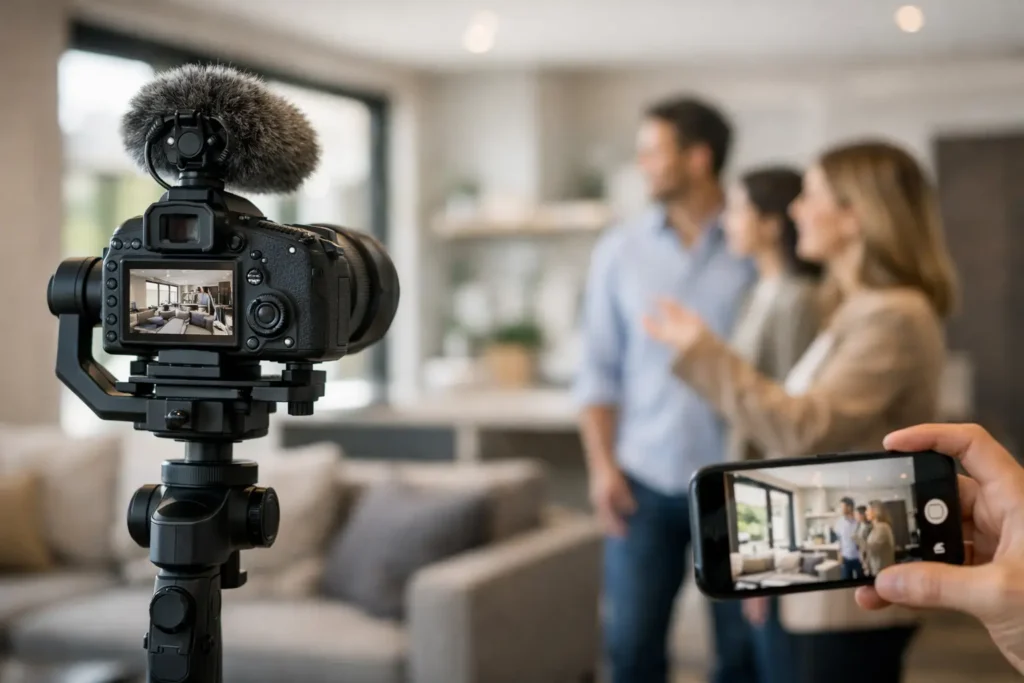
A listing can have perfect photography and still leave buyers with unanswered questions. How does the living room connect to the kitchen? Is the backyard truly private? What does the drive to the waterfront, beach, or downtown district feel like? The real estate video trends gaining traction in South Florida are answering those questions before a buyer ever schedules a showing.
For agents and brokers, that changes the role of video. It is no longer a nice add-on for a luxury listing. It is a practical way to create stronger first impressions, help serious buyers self-qualify, and give every property a more complete presence across listing sites, social platforms, and direct outreach.
Real Estate Video Trends Are Moving Beyond the Property Tour
The traditional walkthrough still has a place. A clean, well-paced tour shows flow, finishes, room scale, and the overall condition of the home. But the strongest listing videos now do more than move from one room to the next. They build context around the decision a buyer is making.
A Miami condo buyer may care as much about skyline views, building amenities, and proximity to Brickell as they do about the kitchen. A family considering Weston or Parkland may want to see the backyard, nearby parks, and the practical rhythm of the home. In Palm Beach County, lifestyle can be the story: golf, water access, outdoor entertaining, or walkability to dining and retail.
The shift is simple: buyers do not just purchase square footage. They purchase a setting, a routine, and a feeling of fit. Video is one of the few listing assets that can communicate all three quickly.
Lifestyle-led storytelling earns attention
Lifestyle footage is becoming more focused and less generic. Rather than inserting unrelated shots of palm trees or a busy beach, the best videos connect local scenes directly to the property. A morning coffee on a balcony overlooking the Intracoastal, a short walk from a townhome to a neighborhood restaurant, or a drone reveal that shows a home’s position near the water gives buyers useful perspective.
This approach works especially well when the lifestyle is a genuine selling point. It is less useful when it distracts from a property with a different core appeal, such as a renovation opportunity, a large lot, or an exceptional price point. The goal is not to make every listing look like a resort. It is to show what ownership looks like at that address.
Short-form video is becoming the front door
Vertical video has changed how many buyers first encounter a listing. A 20- to 45-second clip can stop the scroll with a dramatic entrance, a striking view, a pool, a chef’s kitchen, or a clear before-and-after transformation. It is designed to generate interest, not replace the full property tour.
That distinction matters. Short-form clips work best when they have one job: make the right audience want to see more. Trying to cram every room, feature, and amenity into a fast reel usually produces a rushed video with no clear message.
A stronger approach is to create a content set from one shoot. Use a polished horizontal property film for listing pages and presentations, then create vertical cuts that spotlight the home’s best moments. This gives agents consistent assets for Instagram, Facebook, YouTube Shorts, email, and paid promotion without asking a single video to do everything.
The Video Formats Buyers Actually Use
A high-performing video strategy is not about choosing the newest technology. It is about matching the format to the listing, the audience, and the stage of the buyer journey.
Cinematic listing films create perceived value
A cinematic property film uses intentional camera movement, strong composition, natural pacing, music, and detail shots to present a home at its highest perceived value. It is particularly effective for luxury homes, new construction, waterfront properties, and listings with architecture or design worth emphasizing.
The trade-off is that style cannot compensate for weak information. A beautiful film that avoids showing room connections, outdoor access, or key areas of the home may attract views but create confusion. The best cinematic videos balance aspiration with clarity. They make the property feel elevated while still helping buyers understand it.
For listings where every detail matters, agent-led narration can add another layer of confidence. A brief introduction or voiceover can explain a rare feature, describe a renovation, or frame the lifestyle without forcing viewers to read a long caption. It should sound informed and natural, not like a scripted commercial.
Drone video provides location context
Drone footage remains one of the most valuable tools in the South Florida market because location often drives value. It can show a property’s distance from the coastline, canal access, lot size, nearby green space, golf frontage, or relationship to a downtown area in seconds.
Used well, aerial footage gives buyers orientation they cannot get from interior photography. Used poorly, it becomes filler. A wide aerial shot is only useful when it helps answer a location question or reveals an advantage that is difficult to see from the ground.
Drone capture also requires good judgment. Not every property needs it, and flights may be limited by weather, airspace, privacy considerations, or building rules. A professional production plan accounts for those realities rather than promising footage that cannot be captured responsibly.
Guided tours and 3D experiences reduce uncertainty
Video and virtual tours are increasingly working together. A guided video offers an emotional, curated experience, while a 3D tour gives buyers control to inspect layout, room relationships, and details at their own pace. For out-of-state buyers, relocation clients, and busy professionals, that combination can feel like a 24/7 open house.
Matterport and CloudPano-style walkthroughs are especially useful for larger homes, complex floor plans, condos with meaningful amenity spaces, and listings that may receive interest before an in-person visit is possible. They can also reduce unnecessary showings by helping buyers understand whether the home’s layout truly fits their needs.
Still, a 3D tour should not be treated as a substitute for strong video. Interactive tours are functional. Video creates momentum and helps guide attention toward the property’s most valuable features. Together, they give buyers both emotion and information.
Authenticity Is Beating Overproduction
Buyers are more media-savvy than ever. They can recognize when a home is filmed with care, but they also notice when editing is so aggressive that it feels misleading. Overly wide lenses, excessive speed ramps, dark cinematic grading, and selective framing can create a mismatch between the online experience and the in-person showing.
That does not mean listing video should look casual. Professional lighting, stabilization, editing, and color correction still matter. The standard is polished realism. Show the home in its best light without creating expectations the property cannot meet.
This is also where virtual enhancements require discipline. Virtual staging, day-to-dusk conversions, decluttering, and digital lawn improvements can help buyers see possibilities. They should be disclosed appropriately and used to clarify a home’s potential, not disguise permanent limitations. A vacant room may benefit from virtual furniture; a misleading view or altered structural feature damages trust.
Build Video Around the Listing Strategy
The most effective real estate video trends are not trends for their own sake. They support a clear marketing plan before the listing goes live.
Start by identifying the property’s strongest selling argument. It may be water access, a renovation, architectural character, a family-friendly layout, income potential, a building amenity package, or a location that puts buyers close to a specific lifestyle. That one idea should guide the opening shot, the sequence of footage, the short-form edits, and the copy used to distribute the video.
Timing matters too. Capture video when the home is fully prepared, landscaping is clean, lights are functioning, and staging is complete. In South Florida, weather and sunlight can change the final result dramatically. Planning for the right time of day can make the difference between flat exterior footage and visuals that immediately feel premium.
Finally, use the footage after launch. Share a full tour with qualified prospects, send a targeted clip to your database, feature the lifestyle angle in social content, and bring the video into listing presentations. A well-produced property film is not only a marketing asset for one home. It is proof of how you market every home.
What to Prioritize for Your Next Listing
If budget or timing requires a choice, prioritize the assets that answer the biggest buyer questions. A waterfront home may need drone video and a lifestyle film. A large, layout-driven property may benefit most from a guided walkthrough and 3D tour. A competitively priced condo may need sharp vertical video that creates attention quickly, supported by clear photography and a concise full tour.
The right package depends on the home, not a fixed checklist. What should remain consistent is the standard: video should make the listing easier to understand, more compelling to share, and more memorable after a buyer has seen dozens of similar options.
Before your next shoot, ask one practical question: what would a serious buyer need to see to feel confident booking a showing? Build the video around that answer, and your listing will do more work long after the camera crew leaves.