Dress Your Listing for Success
In today’s real estate market, the first showing takes place online. Buyers scroll fast, stopping only when a photo captures their eye. The truth is simple: 90% of buyers read the description only if the photos appeal to them first. Images aren’t supporting content — they’re the deciding factor.
Two agents can list the same home at the same price, but the one showcasing warm, beautifully staged rooms will always get more clicks. That’s because buyers connect instantly with spaces that feel livable, stylish, and intentional. A staged room communicates comfort and lifestyle in a way an empty or poorly furnished room simply can’t.
Sometimes the issue isn’t emptiness — it’s existing furniture that doesn’t do the property justice. Maybe the furniture is oversized, outdated, or simply not aligned with the style buyers today prefer. Either way, presentation shapes perception, and perception drives interest.

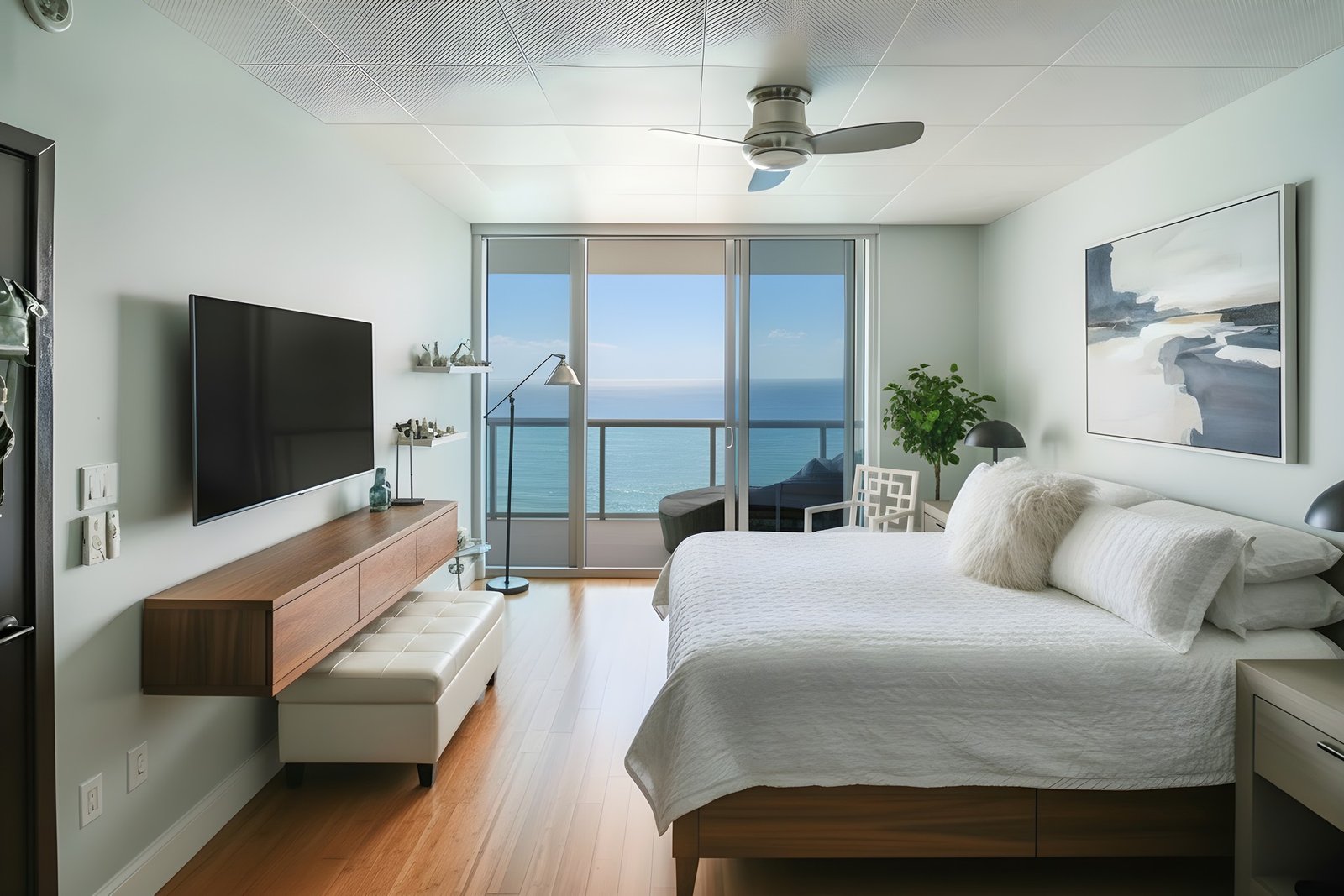

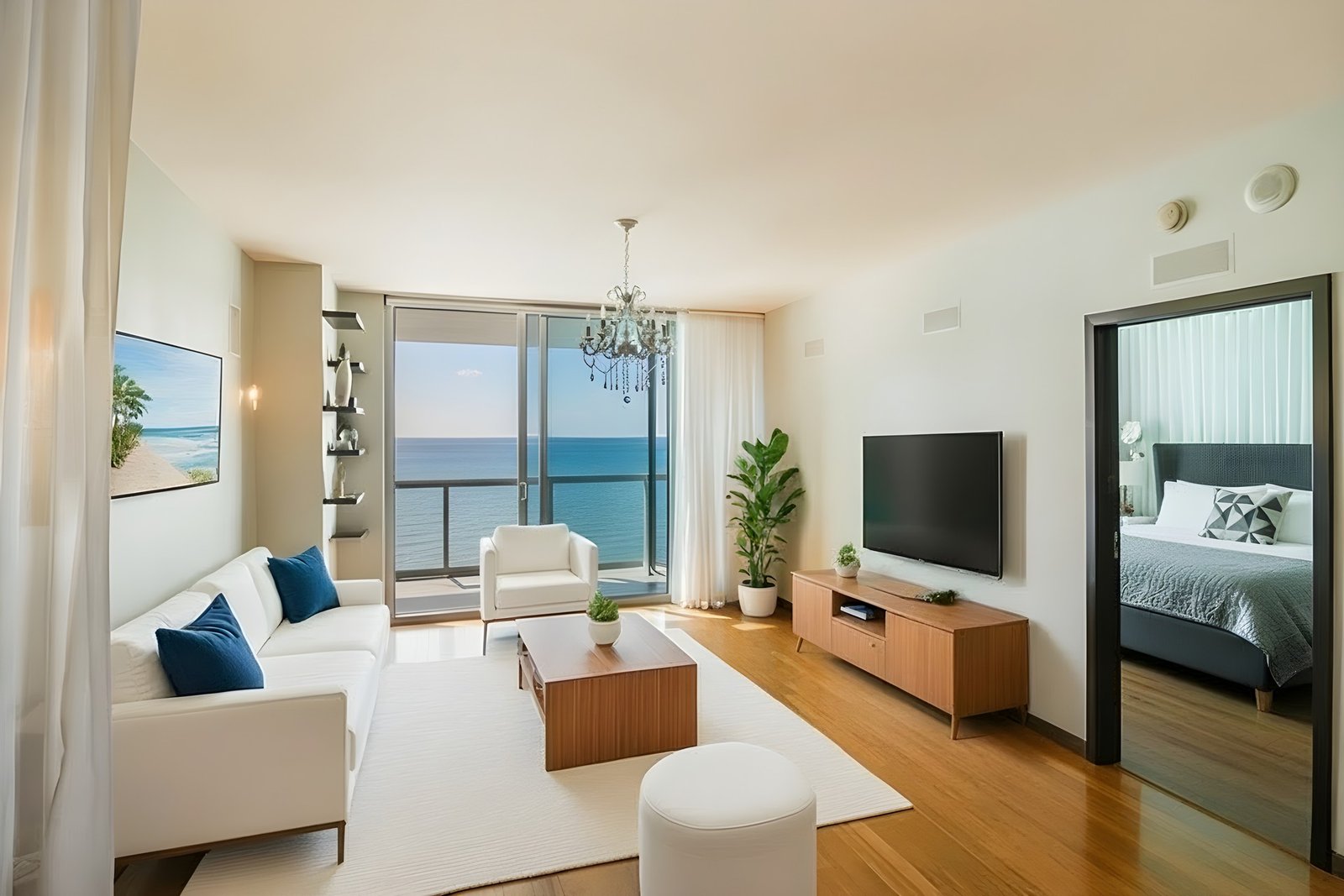
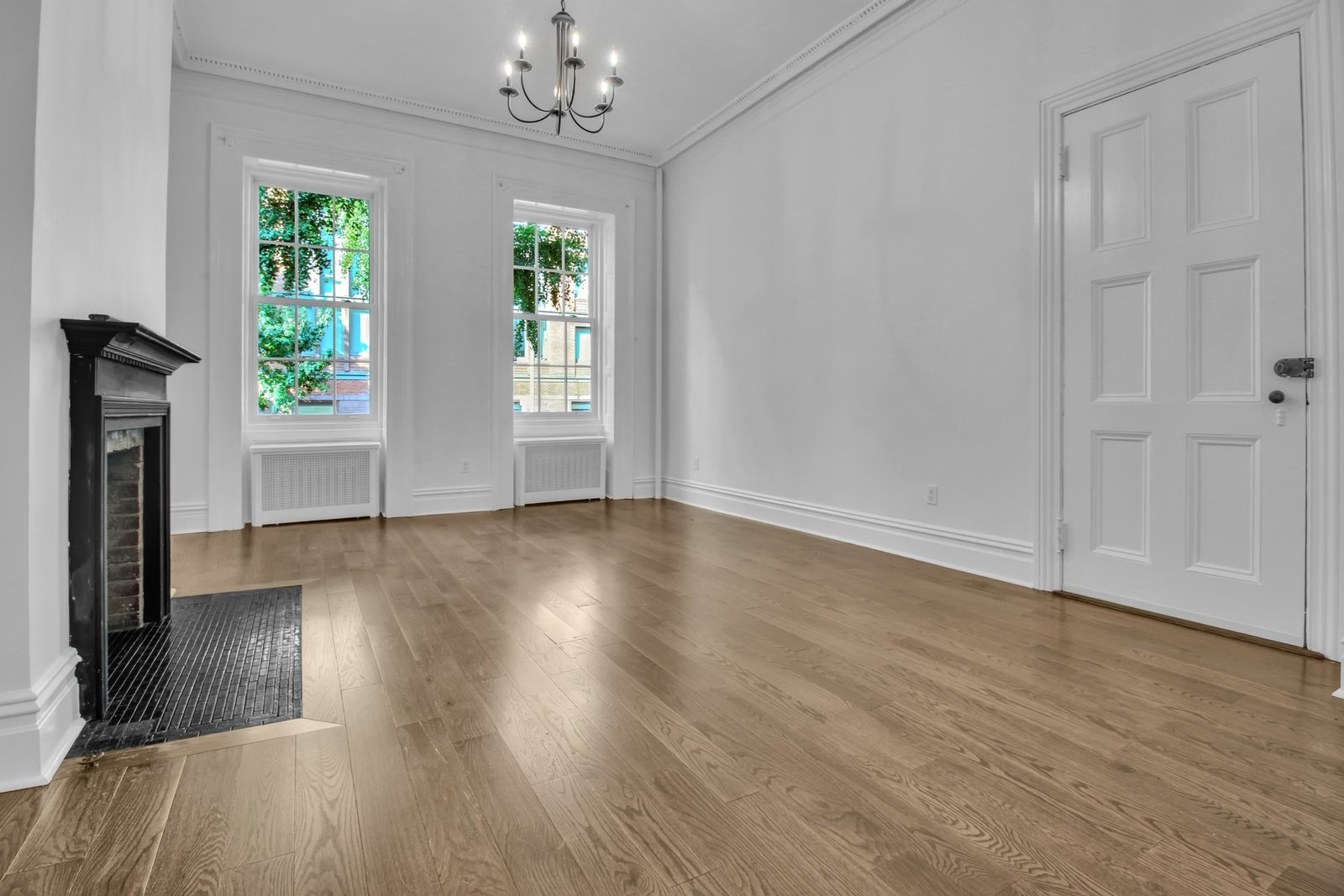
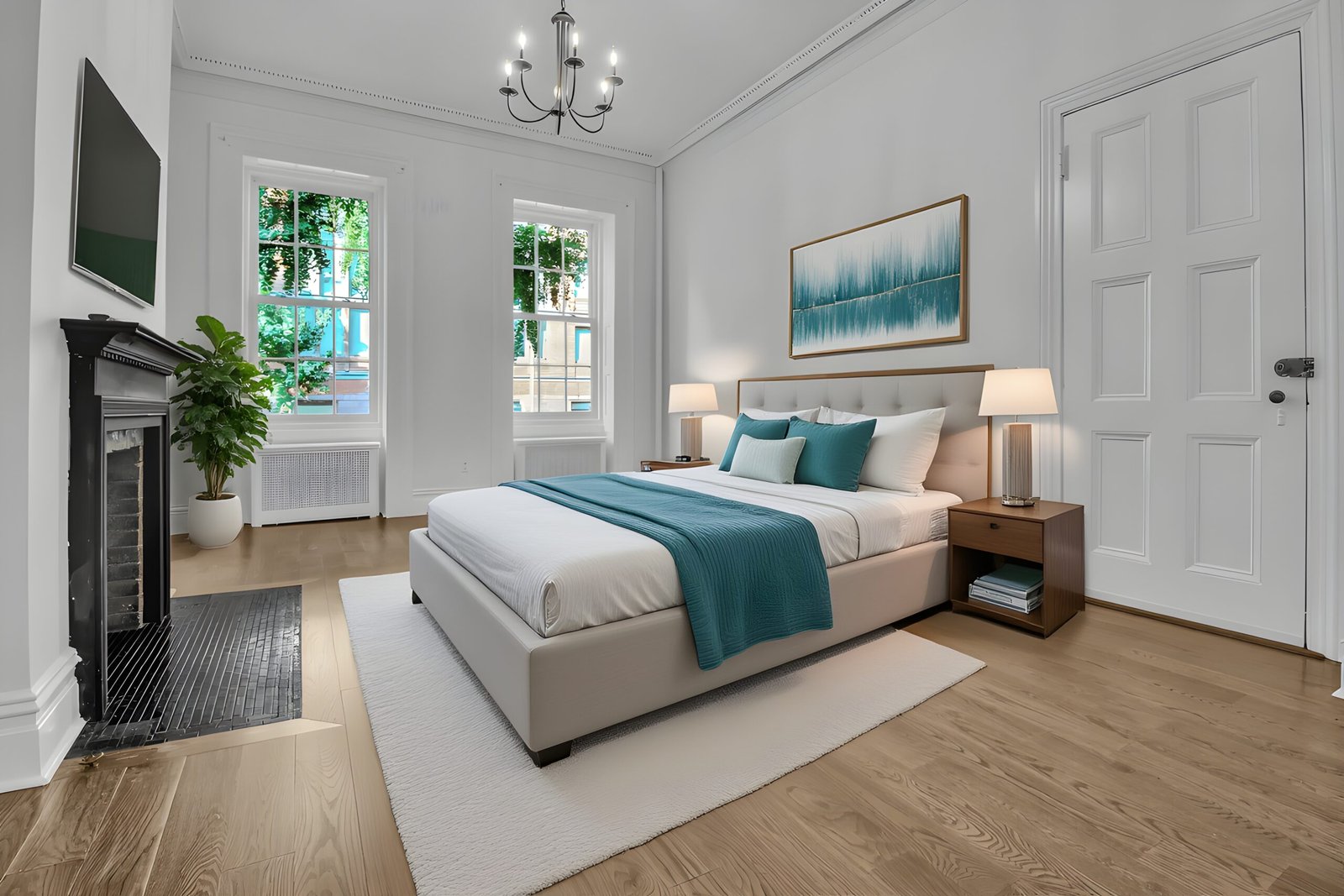
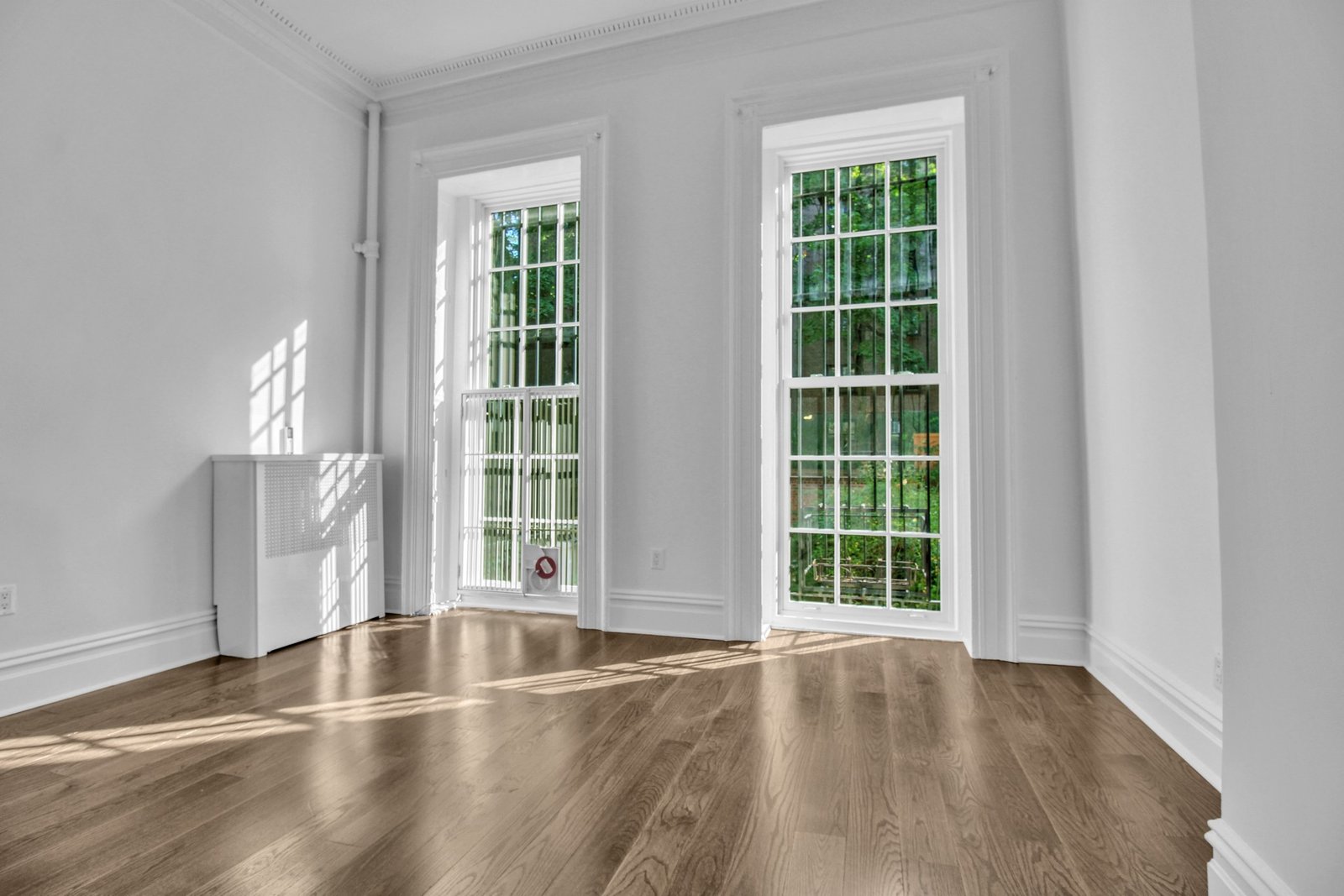
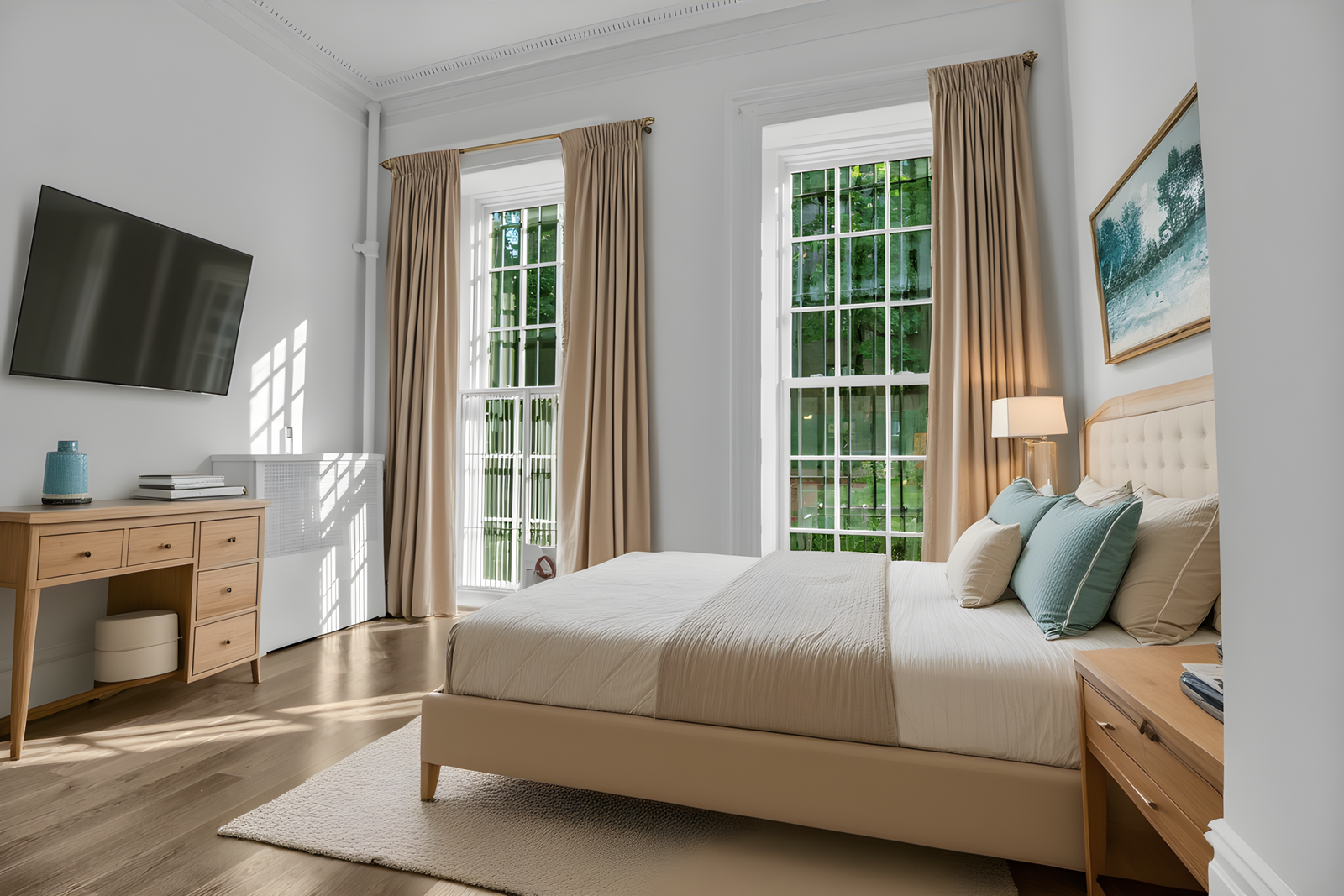
When Empty or Mismatched Spaces Fall Flat
Most people can’t imagine how an empty room should look. In fact, the majority of buyers struggle to mentally place furniture, understand scale, or visualize a warm, functional layout. Vacant rooms often seem smaller than they actually are, while spaces with old or mismatched furniture can hide a home’s potential.
That’s where virtual staging becomes a powerful tool.
With professional digital design, a room is transformed so buyers can clearly see how the space works — whether it’s a cozy bedroom, a modern living room, or a productive home office. It gives context, dimension, and purpose.
And because styles are limitless, virtual staging provides something physical staging never could: true variety.
Modern furniture for younger buyers.
Classic pieces for traditional homes.
Even Baroque or luxury designs for high-end spaces.
It’s like choosing outfits for different occasions — sometimes you need a suit or elegant dress, other times a comfortable sports outfit. The property gets to “dress” in the style that resonates most with its target audience.
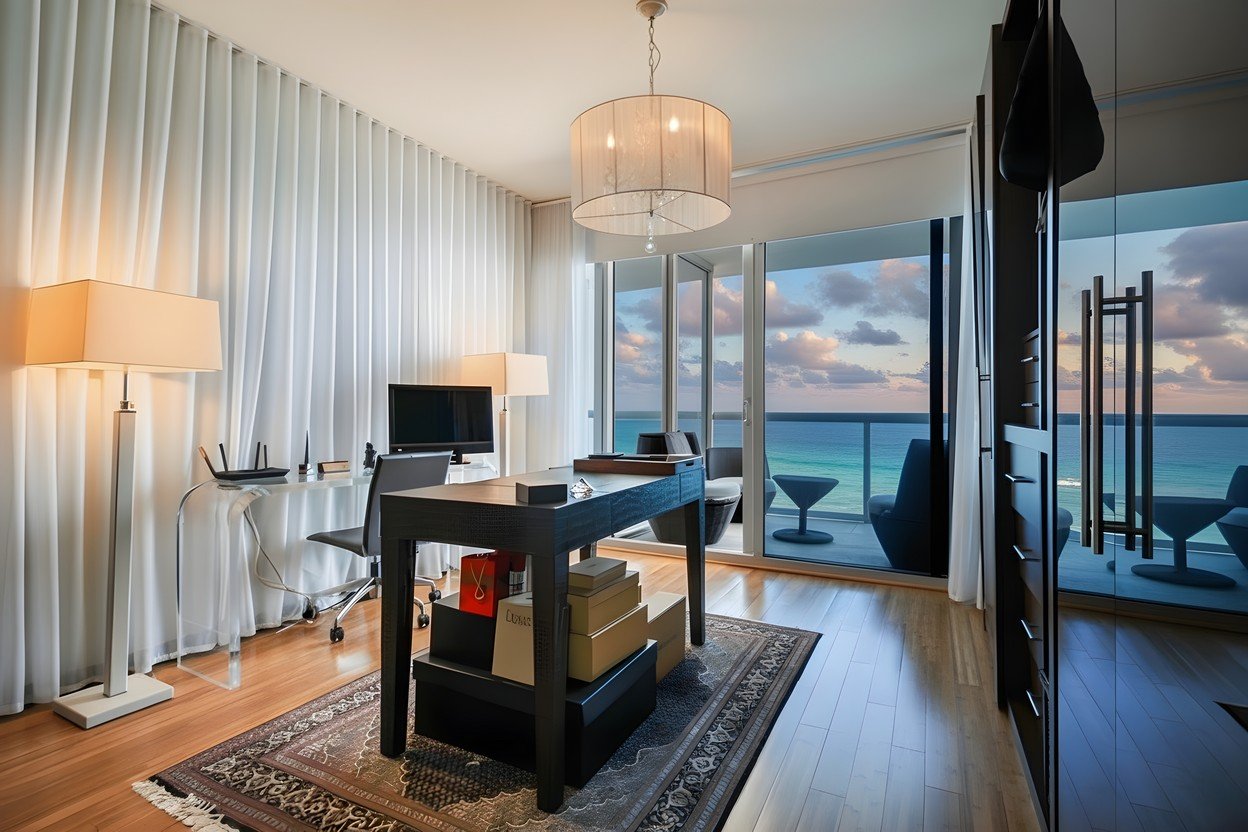
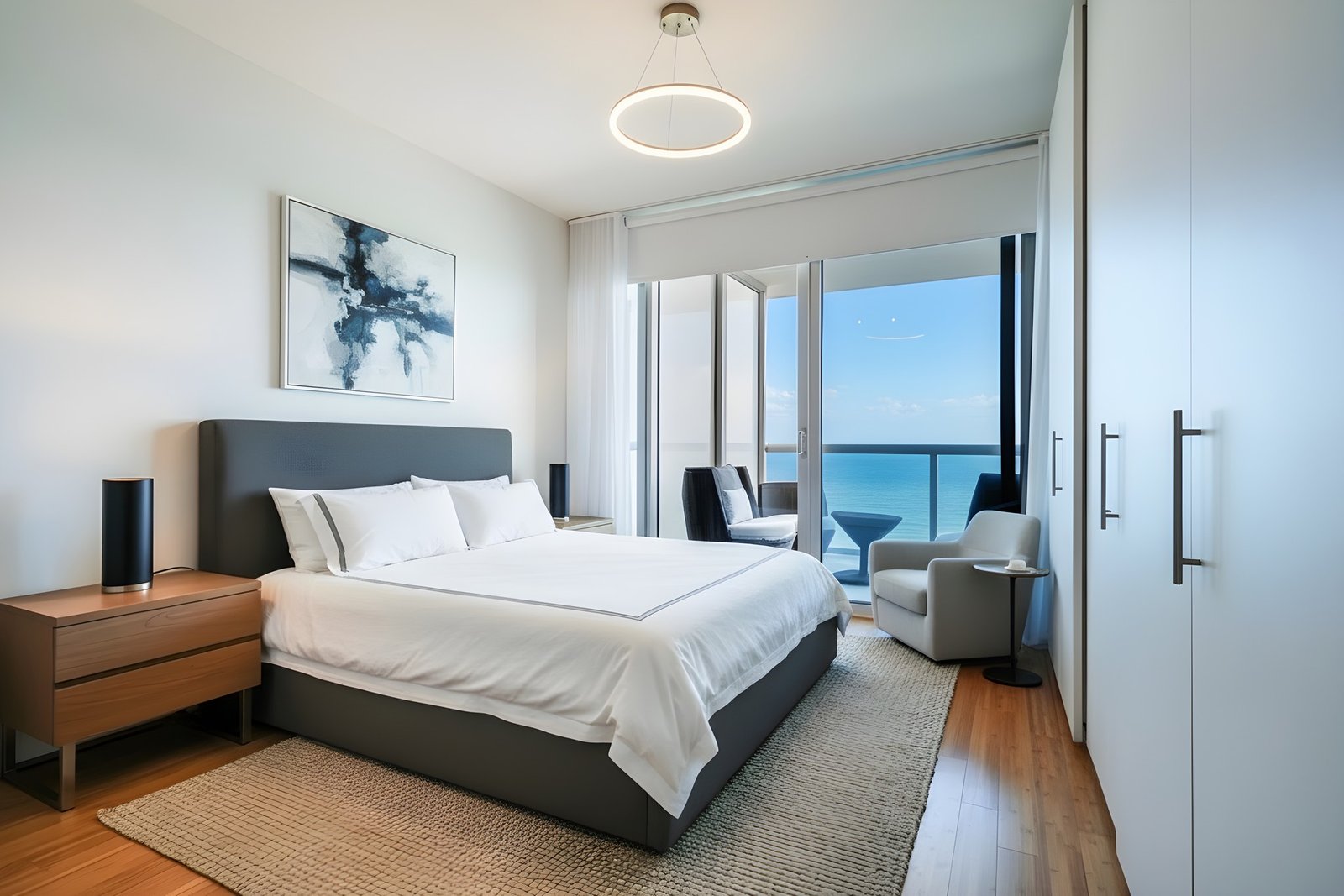


Turning Possibility Into Reality
Virtual staging is more than adding digital furniture. It’s about helping buyers understand how a space could look at its best.
A difficult layout becomes intuitive.
An awkward corner becomes useful.
A dull room becomes vibrant and inviting.
And when the existing furniture doesn’t communicate the home’s full potential, virtual staging allows you to show a completely new vision without offending the seller or asking for costly changes.
By offering multiple design variations, agents can even showcase the same room in different styles — modern, minimalist, classical, luxury — giving buyers the emotional clarity they need to connect with the space.
These aren’t unrealistic transformations; they are visual interpretations of possibility, paired with transparency and accuracy.
Why Virtual Staging Works
It’s fast. Market-ready staged photos delivered in 24–48 hours.
It’s affordable. A fraction of the cost of physical staging — no rentals, movers, or deliveries.
It’s flexible. Perfect for empty homes, outdated interiors, tenant-occupied units, estates, or properties where sellers can’t physically stage.
It adapts to buyer tastes. Different versions can be created for different buyer demographics — something impossible with physical furniture.
It builds emotional connection. Beautiful design helps buyers imagine living in the space, which dramatically boosts engagement.
The Edge in a Competitive Market
In a city like New York, where listings compete for mere seconds of attention, virtual staging gives agents an essential advantage. It shows buyers the lifestyle a property can offer, not the limitations of its current state.
As a photographer, I often see homes with outstanding potential — great light, fantastic layout, ideal location — but the empty rooms or mismatched furniture weaken their presentation. With virtual staging, the transformation is immediate and measurable: more clicks, more interest, and more showings.
Virtual staging doesn’t alter the property itself — it changes how buyers emotionally respond to it. And that emotional response is what turns interest into offers.
Final Thoughts
In 2025, real estate marketing is visual marketing. If the photos don’t resonate, the listing won’t perform — no matter how great the property actually is.
Virtual staging bridges the gap between “nice idea” and “I can see myself living here.” By offering multiple styles, correcting mismatched or outdated furniture, and giving context to empty spaces, it turns blank rooms into compelling, memorable homes.
Whether you’re an agent preparing a new listing or a seller trying to maximize appeal, virtual staging is one of the smartest, most effective marketing tools available today. It ensures that when buyers scroll, your listing is the one they stop for — and the one they remember.