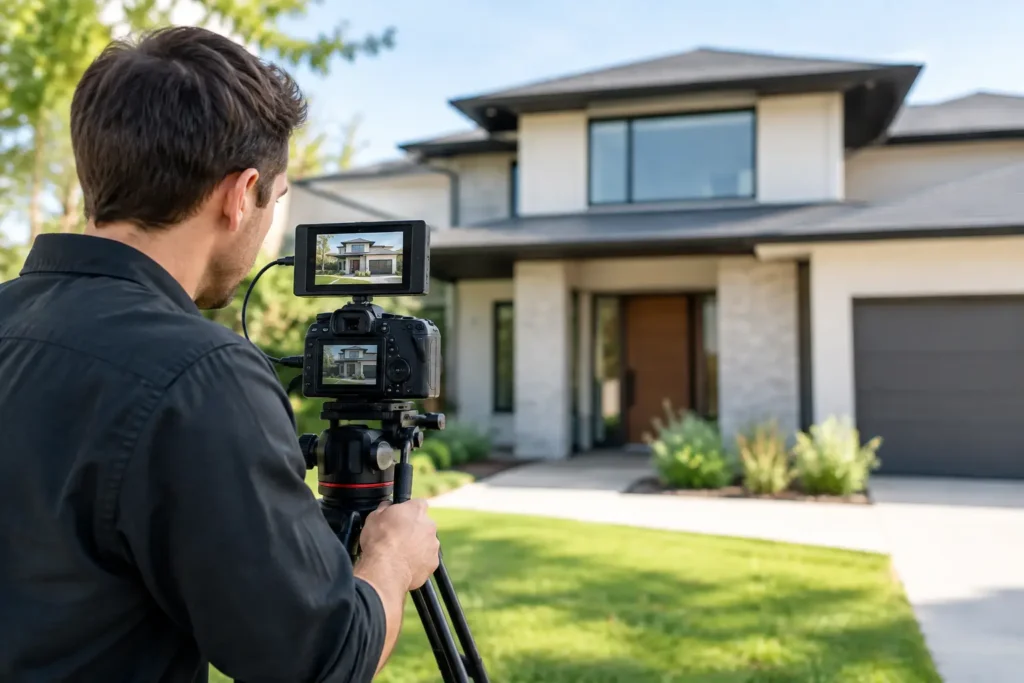
A buyer scrolling through Miami condos or Palm Beach waterfront homes can tell in seconds whether a listing feels worth their time. Property videography gives them something still photos cannot: a sense of arrival, flow, scale, and lifestyle. Done well, it turns a listing into a 24/7 open house that helps serious buyers picture themselves moving through the home before they ever request a showing.
For agents, that matters because attention is expensive and first impressions happen fast. A polished listing video does not replace photography, floor plans, or a virtual tour. It gives those assets momentum, creating a clear visual story that makes a property easier to understand and harder to forget.
Why Property Videography Performs in South Florida
South Florida real estate is intensely visual, but it is not one-size-fits-all. A Brickell high-rise, a Coral Gables estate, a Fort Lauderdale waterfront property, and a Palm Beach seasonal residence each sell a different version of daily life. The strongest video strategy captures the actual reason a buyer would choose that home, not just a collection of rooms.
For a waterfront property, that may mean showing the relationship between the living area, terrace, pool, dock, and open water. For a luxury condo, it could mean the transition from lobby to residence, the sweep of a balcony view, and the walkability or amenities that support the buyer’s routine. Movement makes those connections intuitive.
That clarity improves the quality of inquiries. Buyers who have watched a thoughtful video arrive with a better understanding of the layout, condition, and atmosphere. They are less likely to schedule a showing simply to answer basic questions that a video could have resolved. That saves time for agents while giving serious prospects a more confident next step.
Video also earns attention beyond the MLS. A vertical cut can stop a social-media scroll. A cinematic horizontal version can lead a property website or play on a listing presentation screen. Short clips can support email campaigns, reels, and paid promotion. One shoot can create a library of assets, provided the production plan accounts for those uses from the start.
What a Strong Listing Video Actually Shows
A property video should not feel like a camera wandering room to room. Every shot needs a job. The opening should establish the property quickly, whether that is a striking exterior, a skyline view, or a signature architectural feature. From there, the sequence should reveal how the home lives.
The most effective videos use a natural path through the property. Viewers should understand where they are and what comes next. A kitchen should connect to dining and entertaining spaces. Bedrooms should feel appropriately private. Outdoor areas should appear as part of the home rather than an afterthought. This is especially important in homes where indoor-outdoor living is a major selling point.
Details matter, but they need restraint. Close shots of stonework, custom millwork, wine storage, or a resort-style bath add perceived value when they support the story. Too many detail shots can make a video look polished while leaving buyers unclear about the home’s layout. The goal is not to hide the property behind style. It is to make the property more legible and more desirable.
Aerial capture can add another layer of context. Drone footage is useful when it shows what buyers cannot grasp from ground level: waterfront frontage, lot size, proximity to the beach, a golf-course setting, or the relationship to a neighborhood. It is less useful as a default opening for every listing. If the aerial view does not communicate a real advantage, it can feel generic.
The Difference Between a Walkthrough and a Sales Tool
A basic walkthrough records the home. A sales-focused video directs attention toward the features and moments that create demand.
That distinction starts before the camera comes out. The agent and production team should identify the listing’s strongest selling points, likely buyer profile, and primary marketing channels. A family relocating from the Northeast may care about school access, outdoor space, and a practical floor plan. A second-home buyer may respond more strongly to proximity to dining, marinas, beaches, and low-maintenance luxury. The same home can be framed differently depending on the audience.
Music, pacing, and editing also shape perception. A fast, highly stylized edit may work for a short social clip aimed at generating awareness. It may be the wrong choice for a full property film where buyers need time to process room relationships and finishes. There is a trade-off between energy and clarity. The best approach depends on the property, price point, and where the video will be viewed.
Voiceover can help in select cases, particularly for distinctive luxury homes or lifestyle-driven communities. But it should add information, not narrate what viewers can already see. Clean visual storytelling often travels better across platforms and lets the property speak for itself.
How to Prepare a Home for Video
Video is less forgiving than a single hero photograph because it exposes more of the property, from more angles, over a longer period. Preparation protects the investment.
Start with the basics: clean surfaces, remove personal items, hide cords, clear counters, and make sure every light fixture works. Open blinds when the view is a selling point, but control harsh daylight where possible. Pool areas, terraces, and landscaping deserve the same attention as interiors, particularly in South Florida where outdoor living often carries the listing’s emotional appeal.
Timing matters as well. Midday may be efficient, but it is not always visually flattering. A home with dramatic western exposure may benefit from late-afternoon light. An east-facing waterfront property may look strongest earlier in the day. Twilight footage can be valuable for a luxury listing with illuminated landscaping, skyline views, or a pool, yet it should be used intentionally rather than treated as a substitute for a well-lit daytime shoot.
Occupancy adds another variable. An occupied home can still look exceptional, but agents should set expectations with sellers in advance. The property needs to remain camera-ready throughout the appointment, and household activity, pets, and vehicles may need to be managed. A few minutes of preparation can prevent hours of editing around distractions.
Build a Video Package Around the Listing
Not every property needs the same production level. A well-priced condo may need an efficient interior video, a few exterior establishing shots, and vertical social clips. A waterfront estate may warrant aerial footage, twilight capture, agent on-camera segments, and multiple edits for different campaigns. Matching the package to the listing prevents overspending on unnecessary production while avoiding an underpowered launch for a premium property.
For many agents, the most practical approach is to plan the full visual stack together. Professional photography establishes the listing in the MLS. Property videography creates motion and emotion. A Matterport or CloudPano tour lets remote buyers explore at their own pace. Floor plans clarify layout, while virtual staging or enhancements help buyers see possibilities in vacant or dated spaces.
These assets work best when they tell the same story. If the photography emphasizes the outdoor kitchen and the video barely shows it, the campaign feels disconnected. If a virtual tour reveals an awkward flow that the video carefully avoids, buyer trust can suffer. Consistency is not just a branding detail. It helps buyers make sense of the home faster.
Use the Video After Launch Day
Posting a video once is not a distribution plan. The full film can anchor the listing page, while shorter edits can be released over time to keep the property visible. An agent can use a 15- to 30-second cut to introduce the home, then share a focused clip around the primary suite, kitchen, waterfront setting, or neighborhood lifestyle in the following days.
The content should also support the agent’s own business. Consistent, polished video demonstrates how you market listings, which helps win future clients. Sellers do not only compare commission structures. They compare confidence, presentation, and whether an agent has a credible plan to create demand. Showing past work makes that plan tangible.
Track what happens after the video goes live. Look at listing-page engagement, social views, saves, shares, direct inquiries, and showing requests. Views alone are not the goal. A smaller audience of qualified buyers is more valuable than broad attention that produces no meaningful interest. Over time, those results help refine what type of footage, pacing, and distribution works best for your market.
The next time a seller asks how you will make their home stand out, do not answer with a vague promise to market aggressively. Show them how the home will be experienced before the first buyer walks through the door.