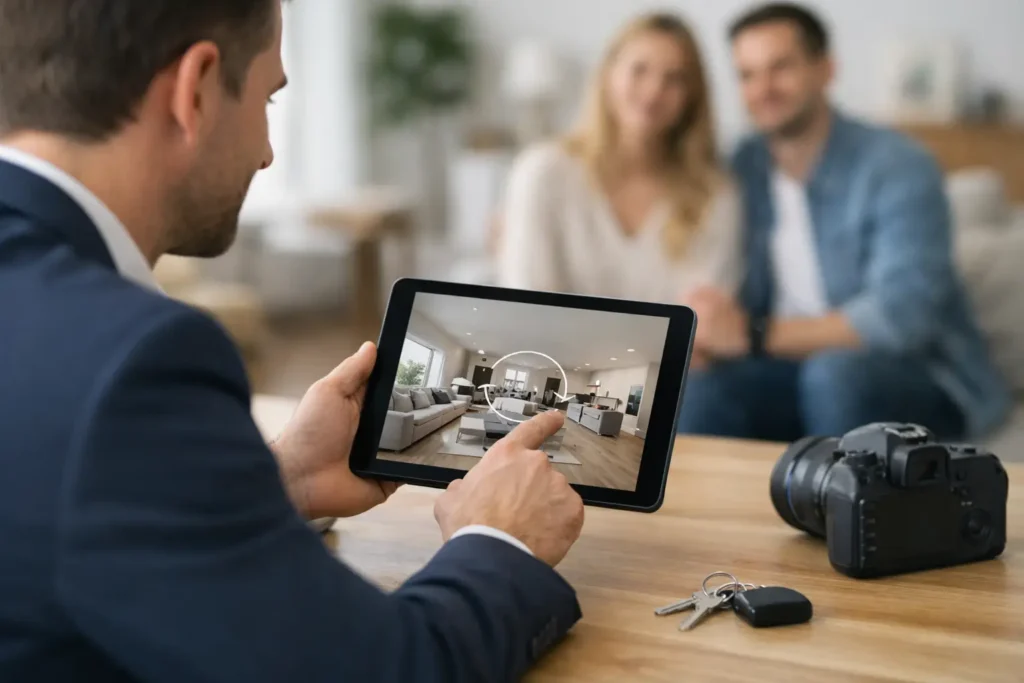
A virtual tour is not a substitute for a showing. It is the filter that helps the right buyers reach one. This agent guide to virtual tours is built for South Florida Realtors who need listings to compete on crowded MLS feeds, property portals, and social channels where buyers make fast decisions before they ever request an appointment.
For a Miami condo, a waterfront home in Fort Lauderdale, or a Palm Beach estate, buyers want more than a gallery of attractive photos. They want to understand the flow of the home, the scale of each room, and how the property supports the lifestyle they are considering. A well-produced tour gives them that confidence while positioning you as the agent with a sharper marketing plan.
Why Virtual Tours Matter in South Florida
South Florida buyers are often busy, remote, or comparing several properties within a narrow window. Some are relocating from out of state. Others are investors who need a better first look before arranging travel. In both cases, static photos can create interest, but they cannot always answer the questions that determine whether a buyer is serious.
A virtual tour turns a listing into a 24/7 open house. Buyers can move through the property at their own pace, return to rooms they want to compare, and get a more accurate read on layout. That can reduce low-intent showings and give serious prospects a reason to act sooner.
The advantage is not simply that a tour looks advanced. It is that it removes friction. When buyers understand the relationship between the kitchen, living area, bedrooms, outdoor space, and view corridors, they arrive better prepared. That leads to stronger conversations and more productive showings.
Choose the Right Virtual Tour for the Listing
Not every property needs the same format. The right decision depends on the home, the target buyer, the listing price, and where you plan to promote it.
3D Walkthroughs for layout and buyer confidence
A 3D walkthrough, including Matterport-style capture, is often the strongest option for homes where layout is a major selling point. It lets buyers navigate room to room and can include a dollhouse-style view or floor-plan reference. This is especially useful for condos, townhomes, larger homes with multiple living areas, and properties with renovations that need to be understood in context.
For a buyer comparing two similar units in Brickell or Downtown Fort Lauderdale, a 3D tour can make the difference between a vague impression and a clear preference. They can see how the den connects to the main living area, whether the bedrooms feel private, and how the balcony relates to the view.
Guided video tours for lifestyle and emotion
A cinematic video tour is better when the listing needs pacing, storytelling, and a strong sense of atmosphere. A camera can move from the front entry to a light-filled living room, then out to the pool, dock, rooftop, or ocean view with intention. It can highlight details that an interactive tour may not emphasize, such as finishes, natural light, landscaping, or the transition from indoor entertaining to outdoor living.
Video works particularly well on social media and in agent-led presentations. The trade-off is that buyers cannot control where they go or how long they stay in a room. For premium listings, the best approach is often both: a guided video that creates desire and a 3D tour that answers practical questions.
Panorama tours for targeted needs
Panorama-based tours can be a practical middle ground for smaller listings or situations where you need broad room coverage without a fully navigable 3D model. They are less immersive, but they can still help a buyer understand key spaces and views. If budget is limited, prioritize professional photography first, then select the virtual-tour format that supports the listing strategy rather than adding technology for its own sake.
Prepare the Property Before Capture
Virtual tours are honest. That is their strength, and it is also why preparation matters. A camera that allows a buyer to explore a room will also reveal crowded counters, tangled cords, mismatched furniture, and unfinished details that a single still photo might avoid.
Start with the same standards you would use for a high-end photo shoot, then go one step further. Clear surfaces, reduce personal items, hide pet supplies, open window treatments when the view or natural light helps, and turn on appropriate interior lighting. Make sure every room is accessible and every door you want shown can open fully.
For occupied homes, explain that the tour creates a lasting asset. Buyers may revisit it days or weeks after launch, so the home should feel intentionally presented rather than merely cleaned for one afternoon. If the property is vacant, virtual staging can help buyers see the potential of an empty living room, bedroom, or dining area. Use it strategically. Virtual staging is effective when it clarifies scale and function, but it should not misrepresent fixed features, condition, or views.
The exterior deserves the same attention. In South Florida, outdoor areas are often central to the value proposition. Stage the patio, straighten pool furniture, remove covers and hoses, and make sure landscaping is camera-ready. For waterfront homes, coordinate timing around light, weather, and water conditions when possible.
Capture a Tour That Supports Your Sales Strategy
A virtual tour should follow the way a buyer evaluates a home. The entry establishes the first impression. The main living spaces show how the home functions. Bedrooms, baths, storage, and secondary spaces answer practical questions. Outdoor amenities and views reinforce the lifestyle payoff.
Before capture, identify the features that should lead the experience. In a luxury condo, that may be the skyline view, terrace, and amenity access. In a family home, it may be the open kitchen, bedroom separation, yard, and school-area appeal. A production team can capture the entire property, but your input helps ensure the final asset reflects the reason a buyer should care.
Avoid trying to show every detail with equal weight. A utility closet does not need the same treatment as a chef’s kitchen. The goal is accurate representation with smart emphasis. That balance protects buyer trust while giving the listing a clear point of view.
Promote the Tour Where Buyers Actually Decide
Producing a strong tour is only half the job. It needs to appear wherever buyers are assessing the listing. Feature it prominently on the property website, MLS listing where permitted, email campaigns, and social posts. Do not bury it below a long photo gallery or treat it as an afterthought in the listing description.
Use short video clips from the tour to create attention on Instagram, Facebook, and other channels where full-length property content may not be the first interaction. A 15- to 30-second clip of the view, pool, great room, or primary suite can create the initial stop. The full tour then gives interested buyers a reason to spend more time with the listing.
For agent outreach, send the tour to brokers whose buyers match the property profile. A remote buyer may be more willing to take a serious second step after exploring the home independently. For local buyers, the tour can confirm whether an in-person appointment is worth prioritizing.
Track the quality of the response, not just the number of views. A tour with modest traffic that produces qualified conversations is more valuable than a high-view social clip that attracts no serious buyers. Ask prospects what they noticed, where they spent time, and what questions remain. Those answers can improve your follow-up and reveal whether the marketing is communicating the right message.
Common Mistakes That Weaken Virtual Tours
The most common mistake is treating a virtual tour as a technical add-on rather than part of the listing launch. If the home is not staged, the lighting is flat, or the tour is difficult to find, the asset will not deliver its full value.
Another mistake is choosing a format that does not match the property. A quick video may be enough for a compact rental or entry-level listing, while a high-value waterfront property may require professional photography, drone footage, video, and a detailed 3D walkthrough. It depends on the audience and the story the home needs to tell.
Finally, do not overpromise. A tour should create confidence, not surprise buyers with a different reality at the showing. Accurate visuals protect your reputation and help bring better-qualified people through the door.
The next time you prepare a listing, think beyond the first click. Give buyers a clear way to experience the property before they arrive, then let the in-person showing do what it does best: make the right home feel like the right move.