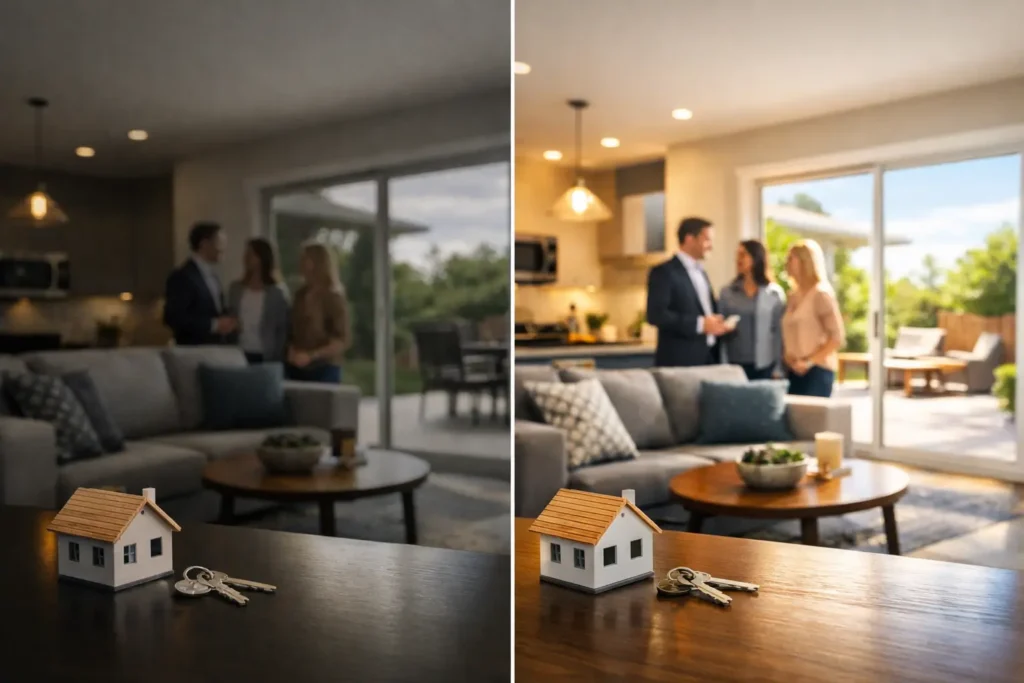
A bright living room with ocean views can look flat in a normal photo. A condo balcony at sunset can turn into a blown-out sky with a dark interior. That is where the hdr picture vs normal question becomes more than a camera setting. For real estate marketing, it directly affects how buyers read space, light, and value from the first scroll.
In South Florida, where natural light is a selling point and windows are often one of the strongest features in a home, the difference matters. Buyers expect clean, balanced images that show both the room and the view. Agents need photos that attract clicks without making the property look fake. That is the real standard.
HDR picture vs normal in real estate
A normal image is usually one exposure. The camera captures the scene once, and that single shot decides what gets priority. If the room is exposed correctly, the windows may blow out. If the exterior view is exposed correctly, the room may look too dark.
HDR stands for high dynamic range. In practice, the photographer takes multiple exposures of the same scene, then blends them so bright and dark areas retain more visible detail. Done well, HDR helps a room look closer to how the eye experiences it. Done poorly, it creates glowing edges, muddy contrast, and that overprocessed look buyers notice right away.
For agents, the goal is not technical perfection for its own sake. The goal is a listing that looks polished, accurate, and compelling enough to earn more clicks, better showing quality, and stronger first impressions.
Why the difference shows up fast online
Most buyers meet a property on a small screen first. They are scanning dozens of listings in minutes. Photos need to communicate layout, finishes, and light almost instantly.
Normal photos can work in stable lighting, especially in smaller interiors or exterior shots where contrast is manageable. But many residential spaces are not that forgiving. Open floor plans, large sliders, bright waterfront reflections, and mixed indoor-outdoor scenes create exposure problems that a single image often cannot handle cleanly.
That is why HDR became common in listing photography. It helps preserve the highlights outside the windows while keeping cabinetry, flooring, and wall color visible inside. In markets where sunlight is intense and architecture often leans on glass, that balance is a competitive advantage.
What normal photos do well
Normal photography is not automatically worse. In some cases, it is the cleaner choice. A well-lit bedroom, a shaded exterior, or a twilight shot handled by an experienced photographer can look more natural as a single exposure or with more controlled manual editing.
Normal images can also preserve mood better. If a property has dramatic lighting, luxury finishes, or a specific ambiance, overusing HDR can flatten everything out. The room may become evenly bright, but less emotionally compelling.
This is where experience matters. The right approach depends on the space, the light, and the listing strategy.
What HDR does well
HDR shines when the home itself has a wide range of brightness. Think waterfront condos with floor-to-ceiling glass, kitchens with recessed lighting and bright windows, or living rooms opening to patios and pools. In those scenes, HDR can show more usable detail in both the interior and exterior.
That matters because buyers are not just judging beauty. They are judging usability. Can they actually see the flooring? The ceiling height? The landscaping outside the sliders? If the image hides those details, interest drops.
Good HDR also reduces one of the biggest mistakes in listing media: forcing buyers to guess. Guessing creates friction. Clear images move people to the next step.
HDR picture vs normal: which looks more realistic?
This is the question behind the question. Most agents do not care about the term HDR itself. They care whether the photos feel true to the property and strong enough to market it.
A strong normal image can look very realistic. A strong HDR image can also look realistic. The issue is execution.
If HDR is pushed too hard, whites start glowing, window frames get halos, and the room takes on an artificial tone. Buyers may not know the editing term, but they know when a home looks off. That can hurt trust before a showing even happens.
If normal photography is too limited for the scene, rooms look dull, corners disappear, and premium features lose impact. That can undersell the property.
The best answer is simple: the more realistic option is the one processed with restraint by someone who understands real estate marketing. Accuracy sells better than gimmicks.
How this affects listing performance
Photography does not sell a house by itself, but it absolutely shapes the quality of attention a listing gets. Better images can improve click-through rate, create a stronger first impression, and set buyer expectations before they ever step inside.
When HDR is used properly, bright South Florida homes tend to benefit. It shows openness, keeps views visible, and helps luxury details read clearly across MLS, property websites, and social media. That can mean more qualified interest, especially for homes where light and view are core value drivers.
When normal photography is used well, it can support a cleaner, more editorial look. That may suit high-end branding, architectural features, or spaces where natural contrast creates a premium feel.
The mistake is treating either approach like a one-size-fits-all formula. A waterfront penthouse, a starter condo, and a shaded single-family home do not need the exact same image strategy.
When to use HDR for a listing
HDR is usually the better fit when the property has strong daylight, large windows, and important indoor-outdoor sightlines. It is especially useful when the exterior view is part of the sales story. Water, skyline, golf course, pool, and landscaped yard details should not disappear into a white rectangle.
It also helps in homes with open layouts and layered lighting, where one room transitions into another with different exposure levels. In those settings, HDR creates a more readable image set for buyers comparing listings quickly.
For agents focused on speed, HDR can also support efficient production when handled by a team that has a consistent workflow. That matters when you need media turned around fast and still want polished results.
When normal may be the better choice
Some spaces benefit from a more selective approach. Luxury interiors with carefully designed lighting often look richer when not overbalanced. Twilight exteriors, detail shots, and rooms with intentionally moody ambiance can lose their edge if every shadow is lifted.
There is also brand positioning to consider. If your listing presentation leans upscale and design-forward, a photographer may combine methods instead of relying on HDR for everything. That can produce a more premium final gallery.
This is why the best real estate media partners do not just ask for the property address. They look at the home, the lighting conditions, and how the final images need to perform.
What agents should actually ask for
Instead of asking only for HDR, ask for photos that look bright, natural, and true to the home. Ask whether window detail will be preserved where it matters. Ask whether edits will keep colors accurate and lines straight. Ask how the team handles difficult lighting in rooms with big exposure differences.
That conversation tells you more than the buzzword.
A polished real estate shoot is not about chasing a style trend. It is about making the home look its best while staying credible. Buyers need enough visual clarity to feel confidence, not suspicion.
The real answer to HDR picture vs normal
For most real estate listings, HDR is the better tool because most homes contain lighting challenges that single exposures struggle to handle. But the winning image set is rarely about HDR alone. It is about balance, restraint, and knowing which technique supports the property instead of overpowering it.
If the photos make the room feel open, the finishes look accurate, and the view remains visible, the marketing is doing its job. If the images look overcooked or too dark, the listing starts working against you.
In a market where buyers compare homes in seconds and sellers expect standout presentation, your photos need to do more than document space. They need to make the property feel worth seeing in person. That is the kind of difference buyers notice, and the kind of edge serious agents should expect from every shoot.